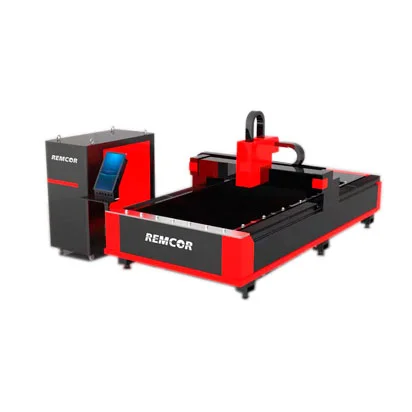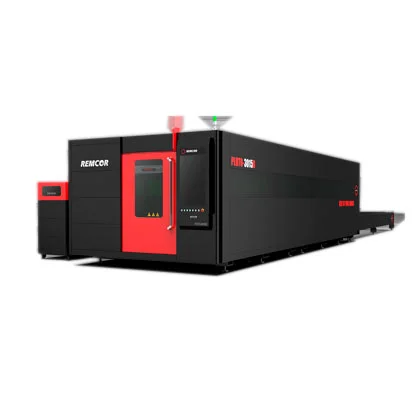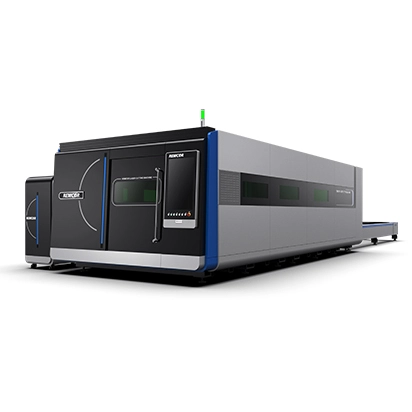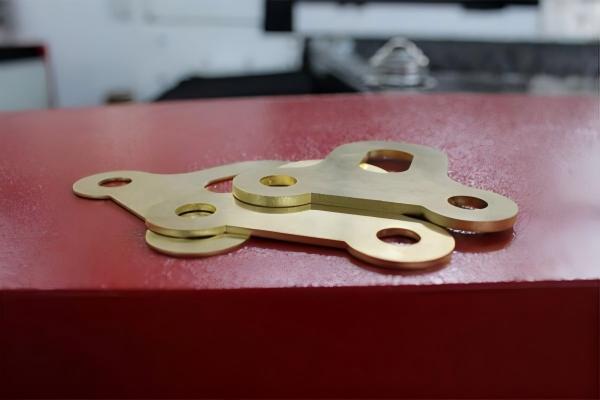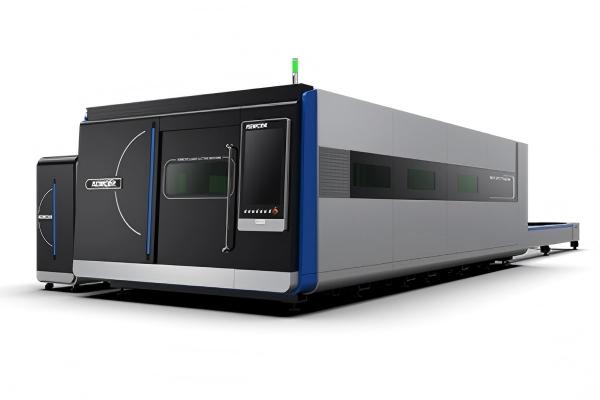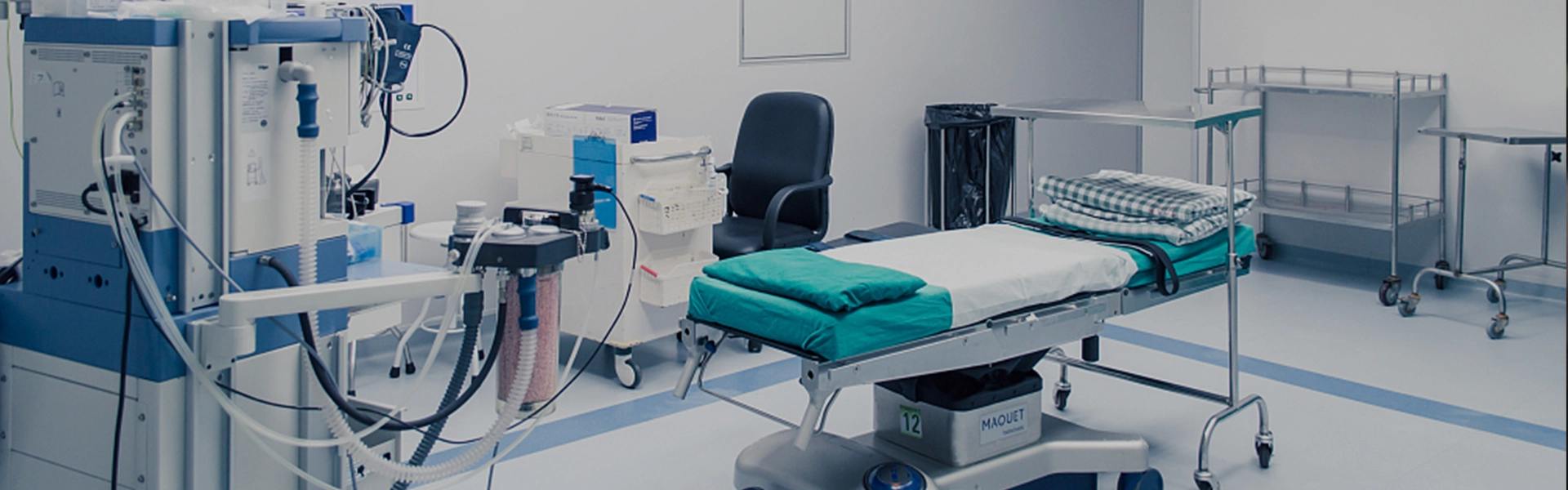
Laser is widely used to manufacture medical devices such as stents, implants, and surgical instruments with complex geometries and tight tolerances.
As a non-contact process, laser cutting ensures minimal contamination, smooth edges, and low thermal distortion, making it ideal for biocompatible materials like stainless steel and titanium. It also supports the development of minimally invasive tools, improving patient outcomes and recovery times.
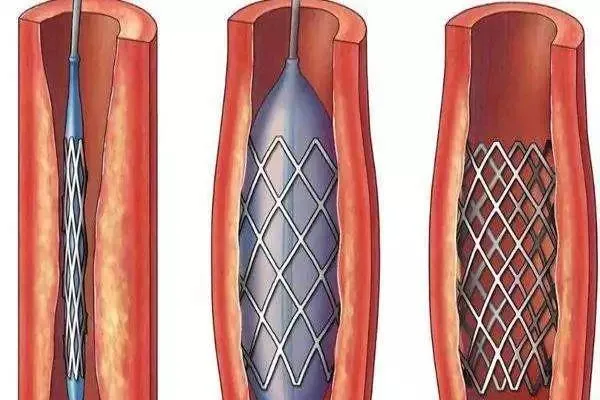
Laser cutting plays a critical role in the precision manufacturing of nitinol and cobalt‑chromium cardiovascular stents, one of the most important implantable devices in minimally invasive surgery.
Compared with traditional mechanical cutting and EDM, laser micro‑cutting delivers unmatched advantages: ultra‑high precision at micron level, minimal thermal deformation, burr‑free smooth surfaces, and excellent biocompatibility. It enables complex mesh structures that ensure flexibility and support performance, which cannot be achieved by traditional machining.
This non‑contact processing avoids material contamination and mechanical damage, greatly improves production consistency, reduces secondary polishing, and shortens manufacturing cycles.
As a high‑efficiency and high‑stability solution, laser cutting has become the standard process for medical stent production, helping manufacturers enhance product quality, yield, and compliance with strict medical standards.
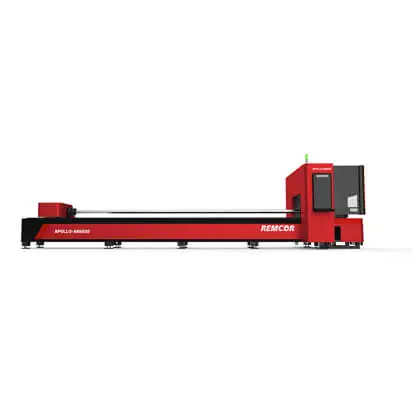
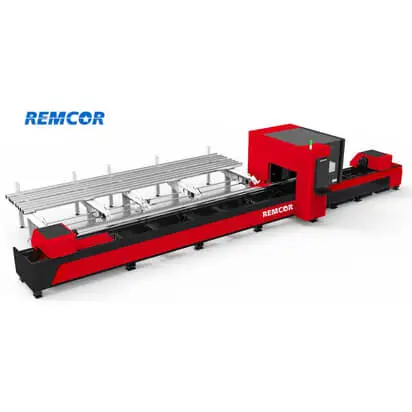
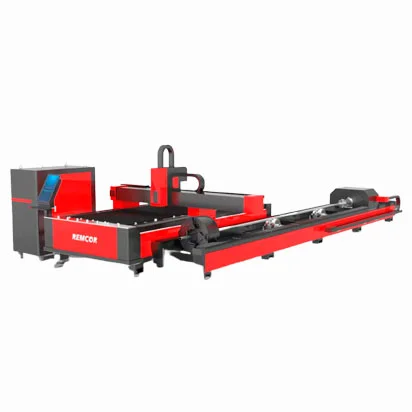
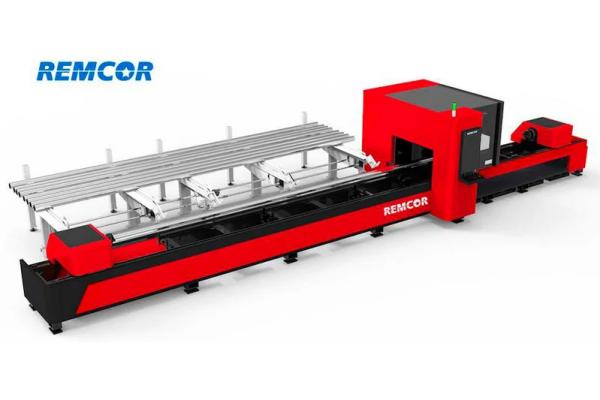
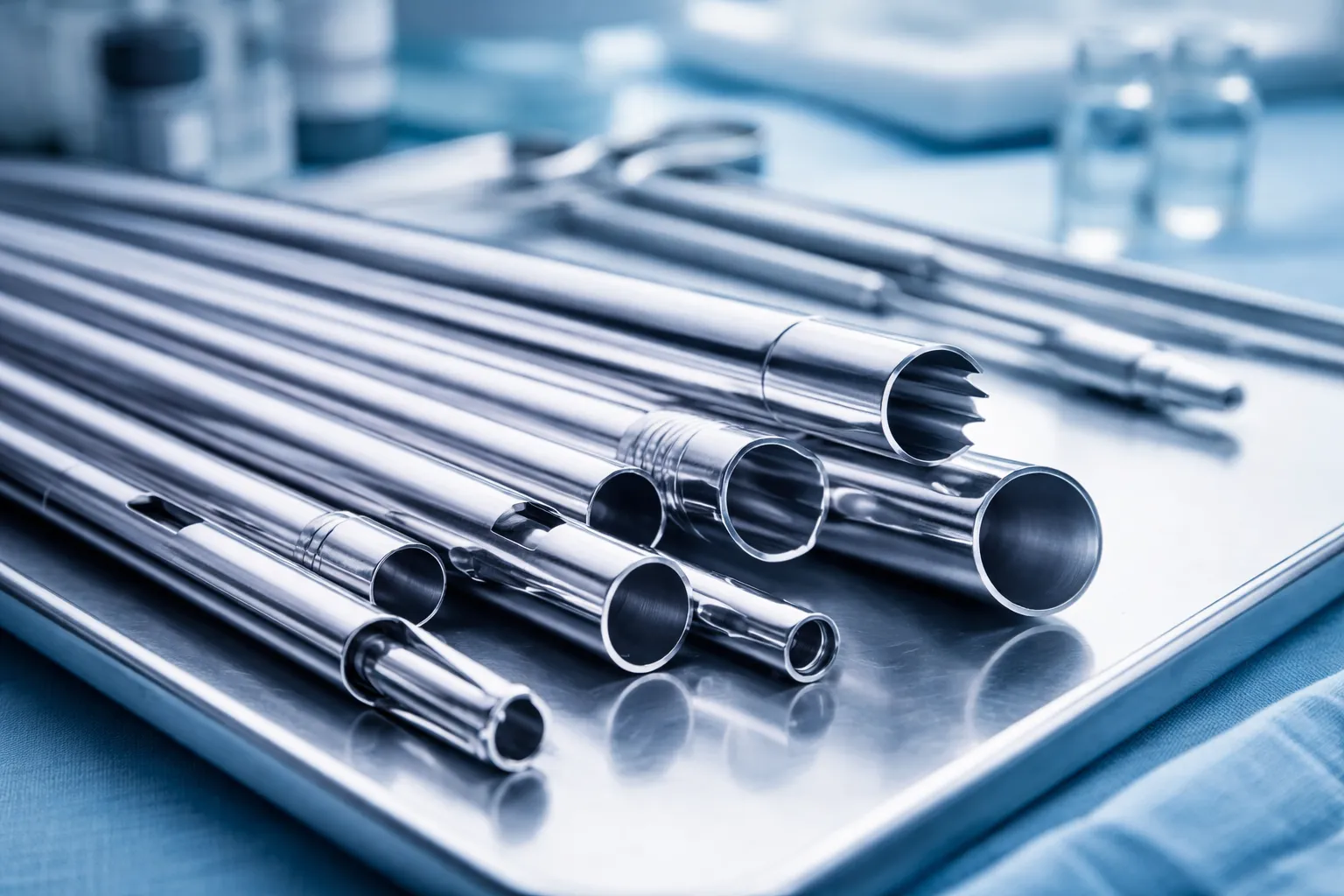
CNC laser tube cutting machines are widely used in the precision machining of medical stainless steel tubes, endoscopic components, surgical instrument casings, and catheter support structures.
Compared with traditional mechanical cutting and sawing, laser tube cutting delivers high precision, burr‑free cuts, and minimal thermal deformation, ensuring excellent cleanliness and biocompatibility.
Its non‑contact processing avoids surface damage and contamination, while enabling complex holes, slots, and shaped profiles efficiently. This technology greatly improves product consistency, reduces secondary processing, and shortens production cycles, making it an ideal solution for high‑standard medical device manufacturing.
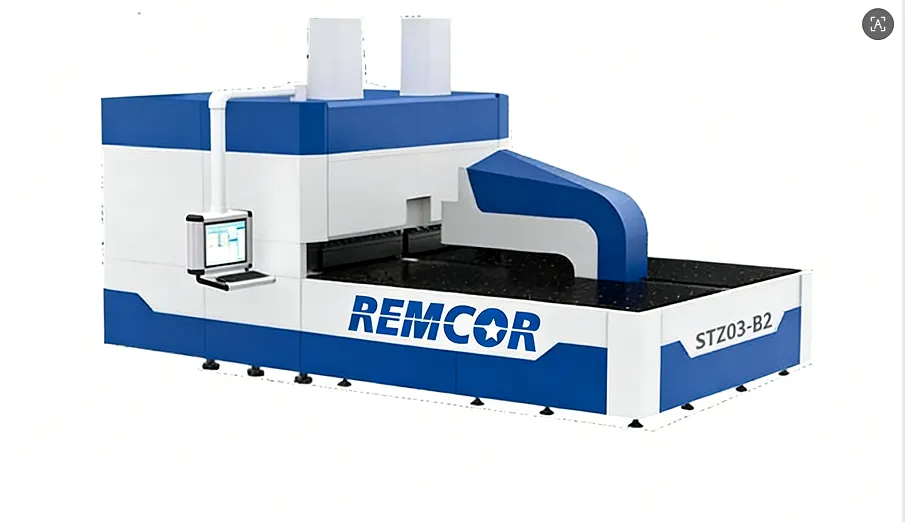
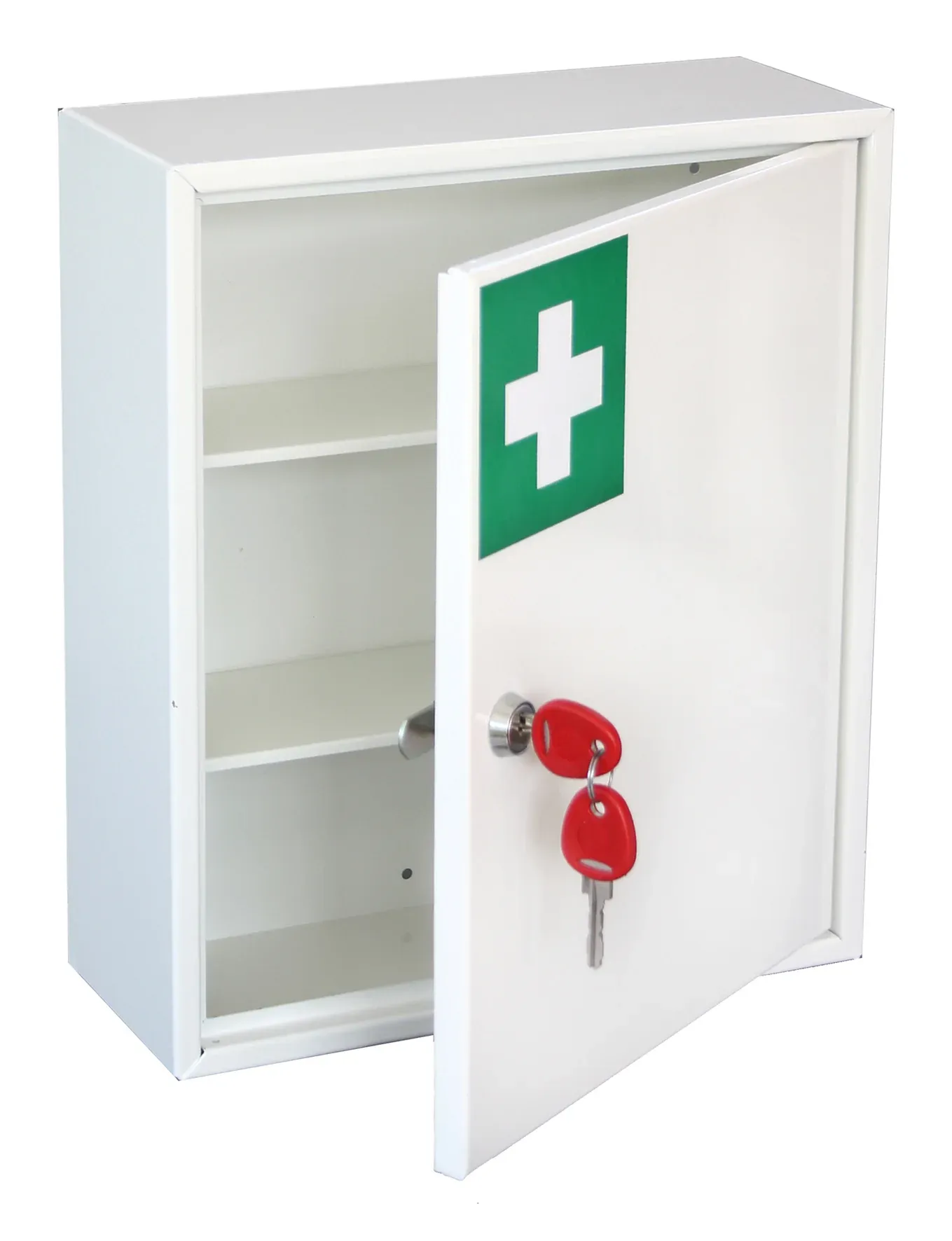
CNC Panel bender are widely used in the production of precision medical enclosures, surgical instrument trays, hospital bed frames, medical cabinet housings, and laboratory equipment shells.
Compared with traditional press brakes and manual bending, automatic panel bender provide higher precision, consistent angles, and stable forming quality, ensuring tight assembly and clean, flat surfaces required in medical environments.
The fully automated process reduces manual handling, minimizes surface scratches and deformation, and supports flexible small-batch production with fast tool changes.
This greatly improves production efficiency, lowers labor costs, and meets strict hygiene and structural requirements for medical equipment, making it an essential solution for modern medical device manufacturing.


 English
 русский
 français
 Deutsch
 Español