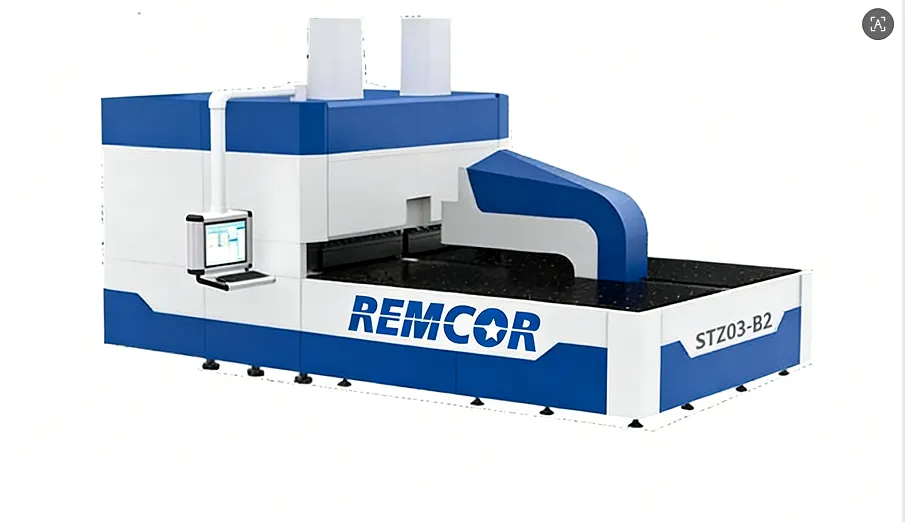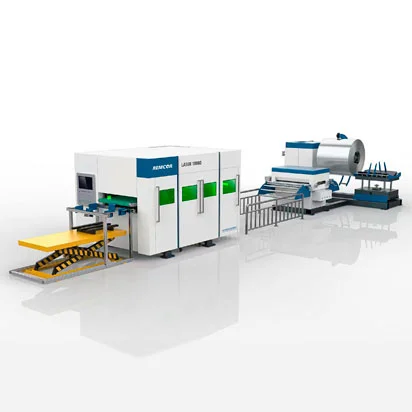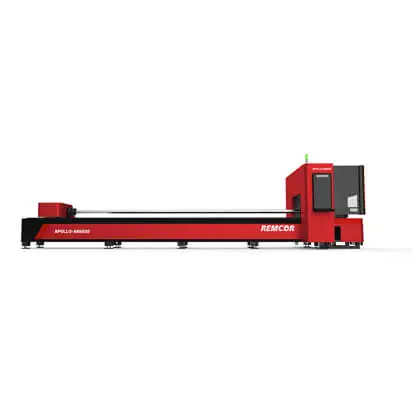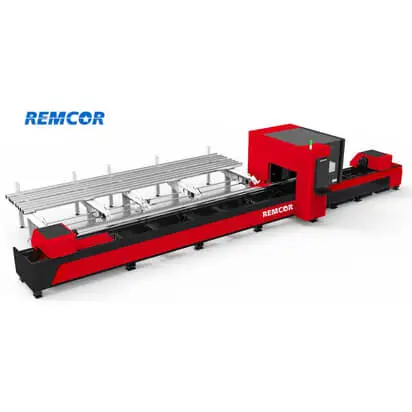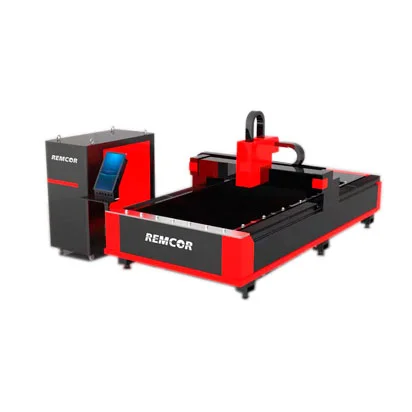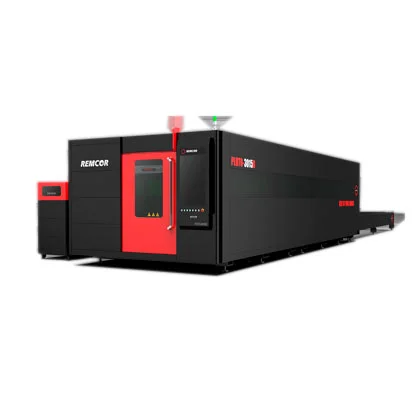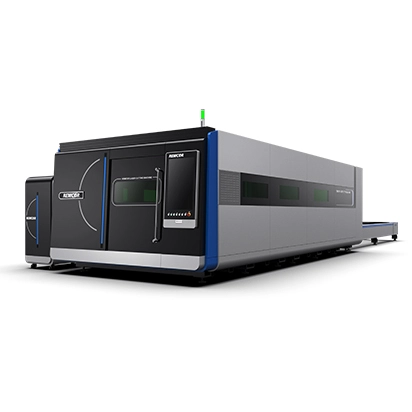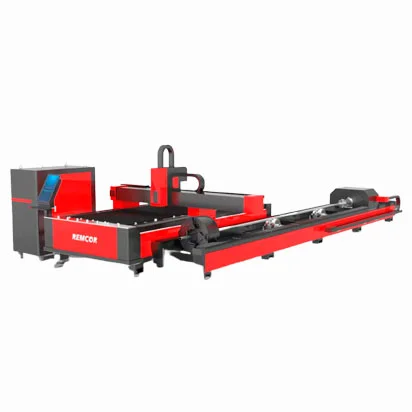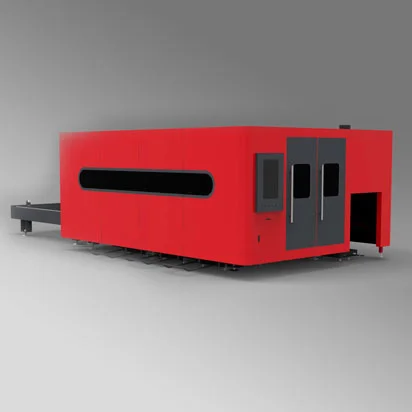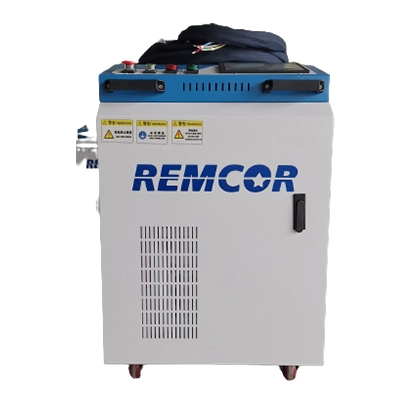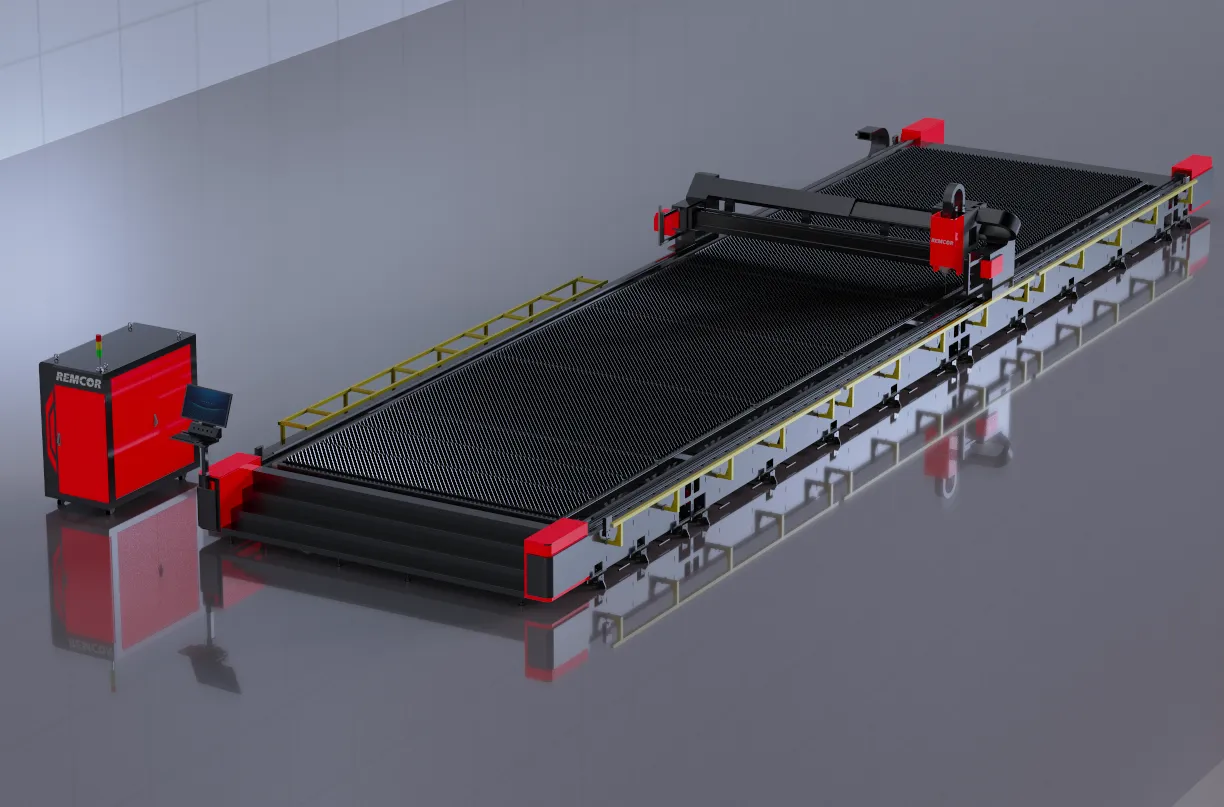
The main processes for shipbuilding manufacturing are cutting and welding. With the fierce market competition, the decline in profits and the increase in quality requirements, the shipbuilding industry has paid more attention to manufacturing quality. As a big cutting role, laser cutting system has further ushered in the new situation.
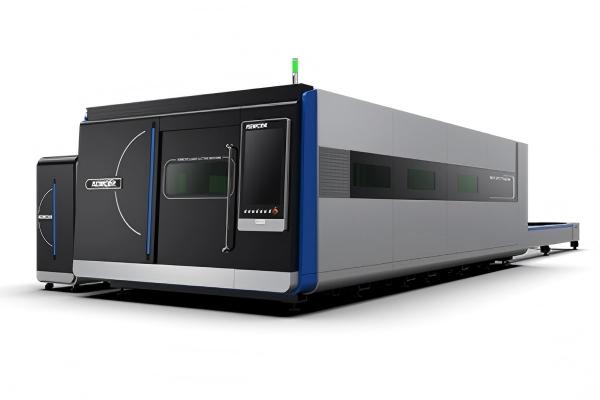
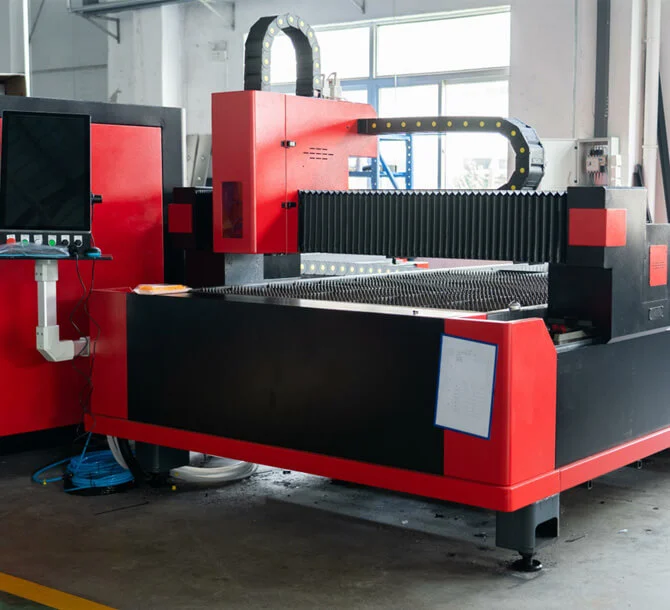
Metal sheet CNC fiber laser cutting machine is widely used in shipbuilding for processing hull steel plates, T‑beams, stiffeners, bulkheads, deck components, and marine structural parts, especially for large‑format and thick steel sheets.
It supports one‑step high‑precision cutting of complex profiles, holes, notches, and marking, greatly streamlining production.
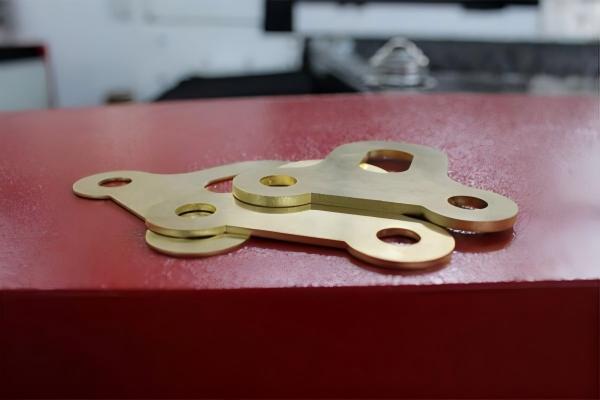
In shipyard production, CNC laser cut machine delivers narrow kerfs, small heat‑affected zones, and minimal thermal deformation, ensuring high dimensional accuracy and flatness of large ship plates. Clean, burr‑free cuts reduce grinding, fitting, and welding preparation time significantly.
Compared with flame and plasma cutting, it improves edge quality, welding stability, and overall structural strength.
With advanced nesting software, laser systems maximize material utilization, reduce scrap, and lower material costs.
High automation and continuous cutting also boost production efficiency, shorten manufacturing cycles, and ensure consistent quality for large‑scale ship construction and marine engineering projects.
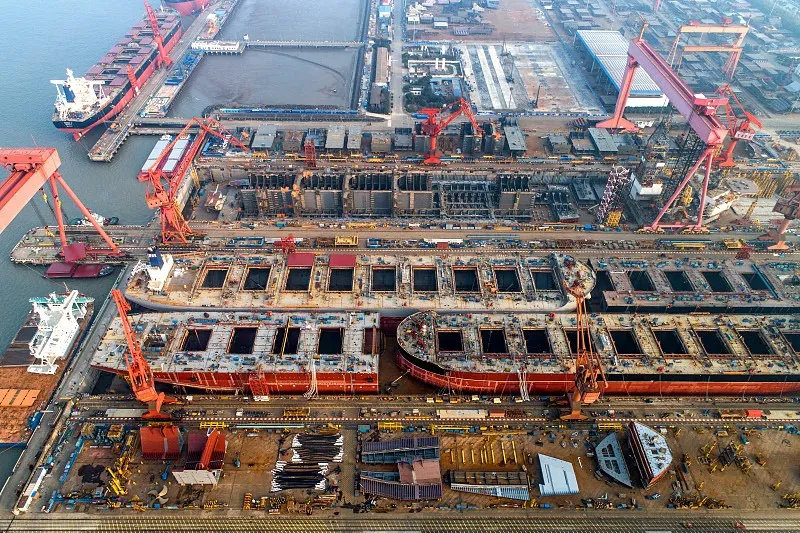
In the past, when shipbuilding companies generally used plasma to cut the ribs, in order to ensure the assembly gap, trimming allowances were set on the ribs, which required manual trimming during field assembly. If the cutting quality is uneven, the residual oxide in the cutting slot will increase the assembly workload and also the assembly cycle, and the entire segmented construction cycle will be extended.
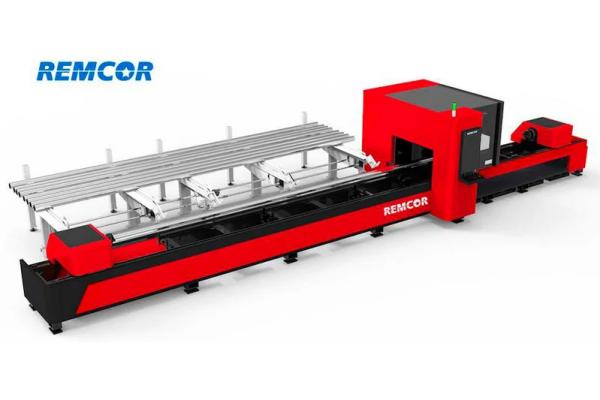
In addition, the use of a metal pipe cutting laser machine to cut off the assembly margin eliminates the phenomenon of on-site trimming and reduces labor and material waste. The speed of assembly of the structure is significantly accelerated, and the quality of assembly is significantly improved.
In recent years, "precision shipbuilding" and "rapid shipbuilding" have become the main trends in the development of the shipbuilding industry, and laser cutting technology has developed rapidly, accounting for more than 70% of the entire laser processing industry.
 English
 русский
 français
 Deutsch
 Español