Laser technology plays a critical role in steel structure manufacturing, widely applied in core scenarios such as steel structure welding, pipeline connections, and component assembly.
Compared to traditional methods, laser processing significantly boosts production efficiency, reduces the need for post-weld corrections, and lowers labor costs. Its superior weld quality enhances structural strength and durability, making it ideal for major projects like high-rise buildings, bridges, and industrial plants.
Furthermore, the automation capabilities of laser technology ensure consistency and reliability in mass production, offering the steel structure industry greater competitiveness and economic benefits, establishing it as the ideal choice for modern construction manufacturing.
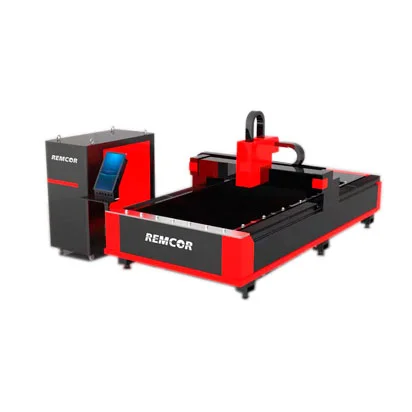
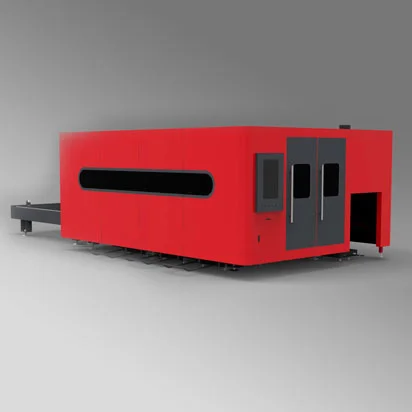
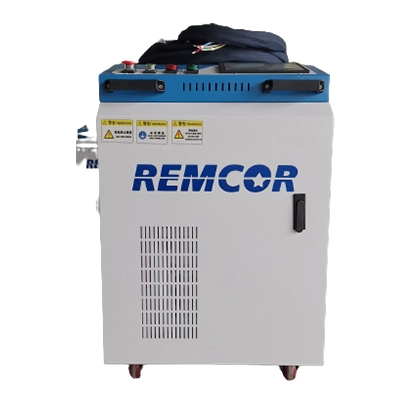
CNC machine laser cutting machine deliver transformative efficiency and precision for H steel fabrication, widely proven in bridge, steel structure, and crane manufacturing.
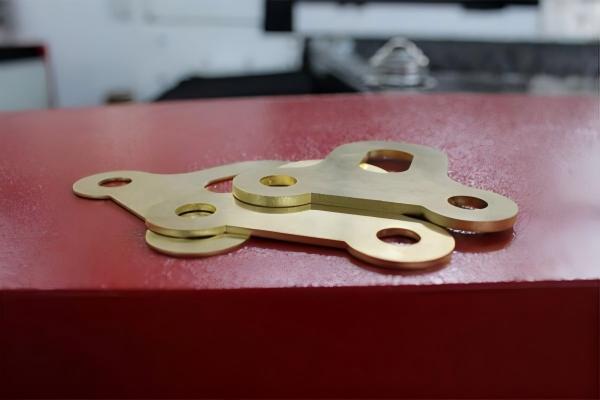
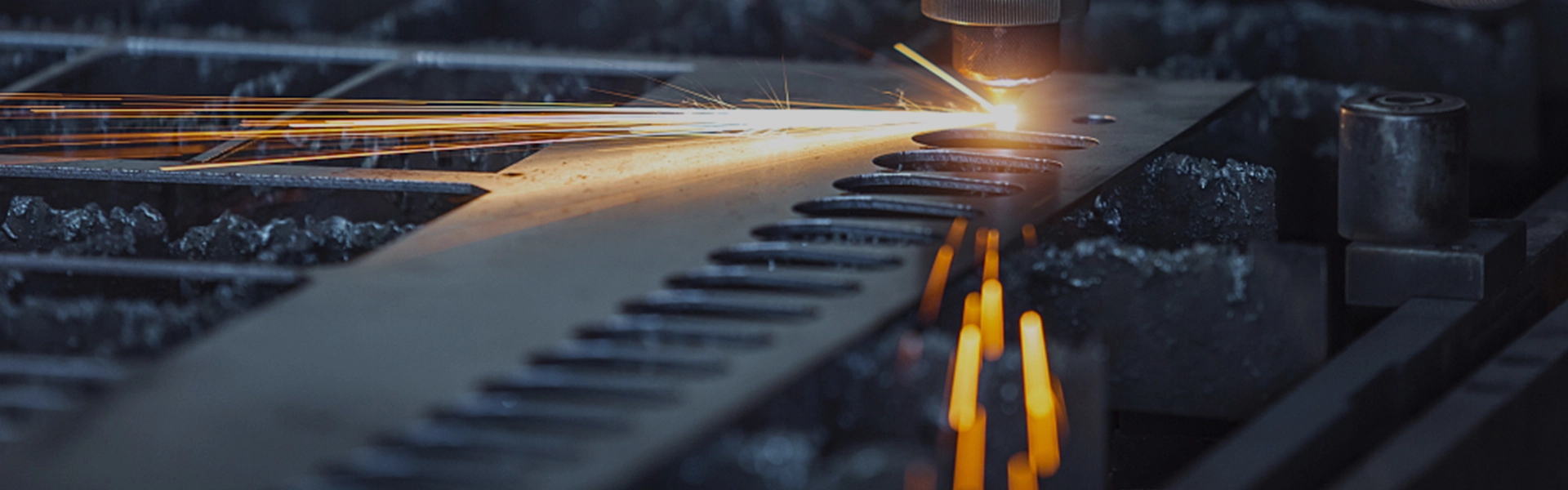
Unlike plasma or mechanical cutting, CNC laser metal cut machine cut 20–40mm thick H beams with narrow kerfs, smooth edges, and minimal heat distortion, eliminating secondary grinding and boosting weld fit-up.
One-pass processing integrates cutting, beveling, hole drilling, and marking, slashing setup time and labor by over 50%. Advanced nesting lifts material utilization to 98%, cutting scrap costs. With positioning accuracy within ±0.1mm and stable high-speed cutting,
CNC sheet metal laser cutting machine systems raise part pass rates above 99.8%, speeding production and ensuring consistent quality for heavy structural projects.
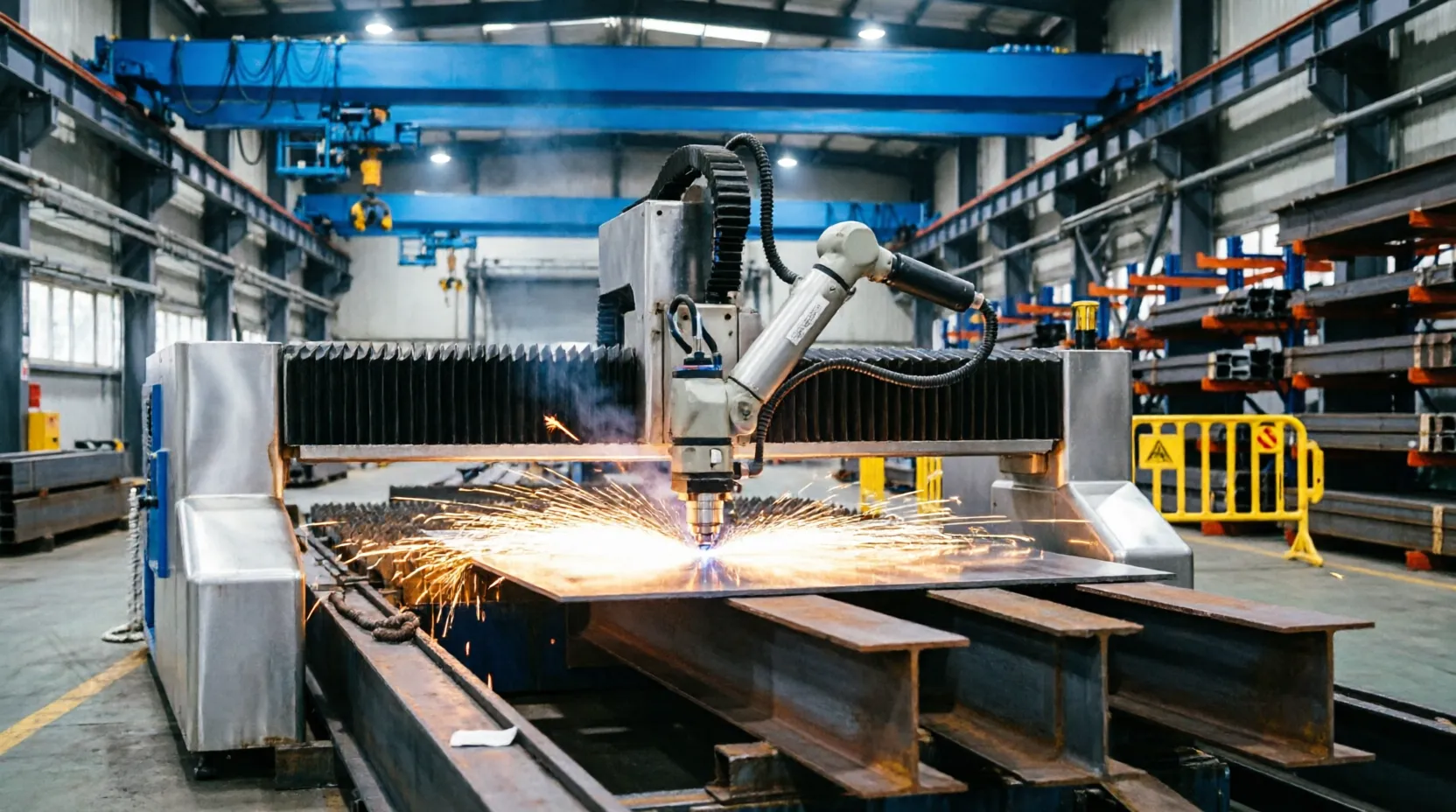
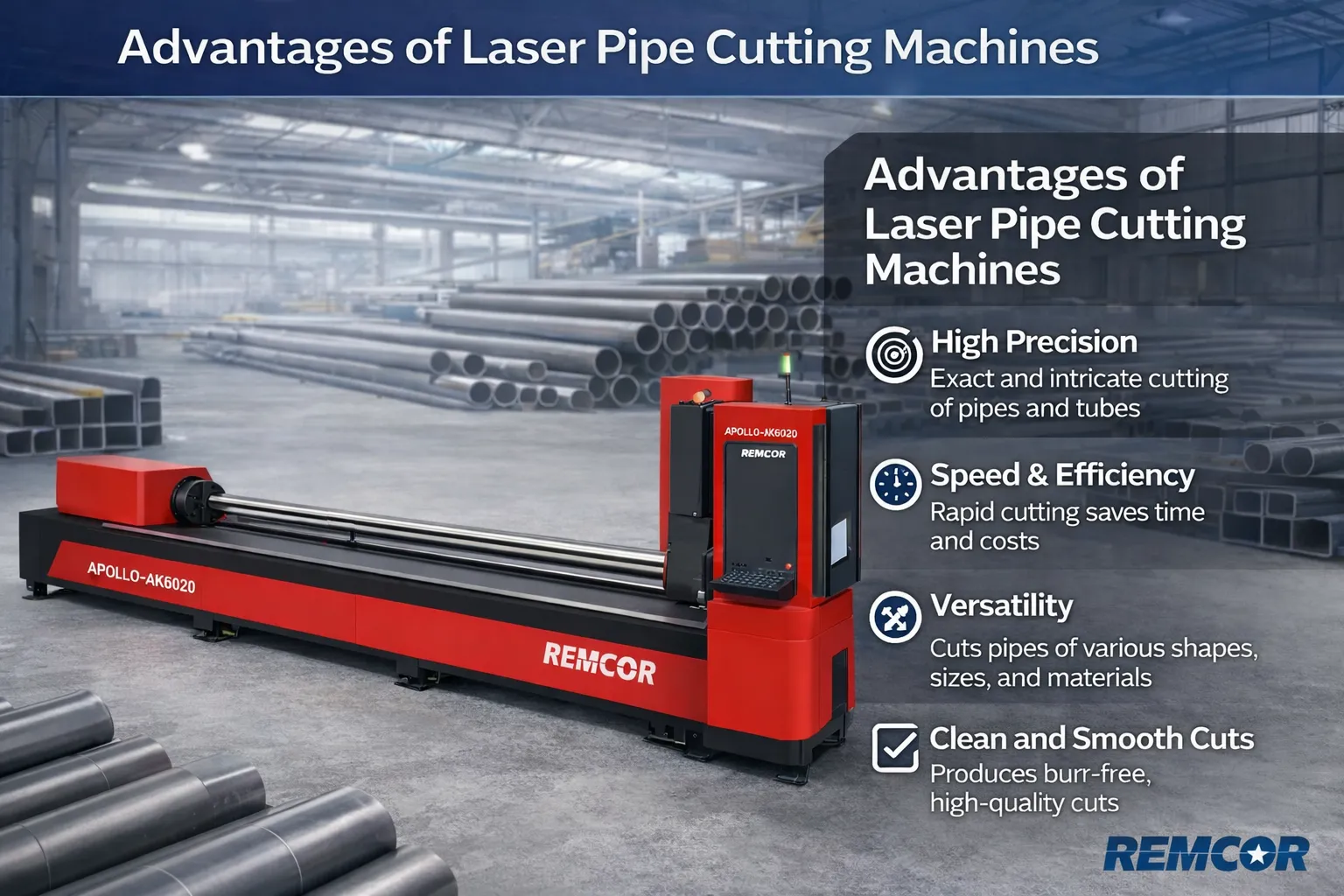
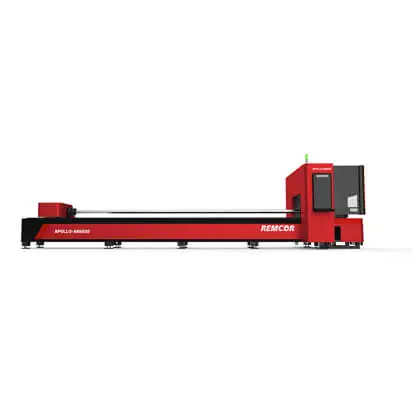
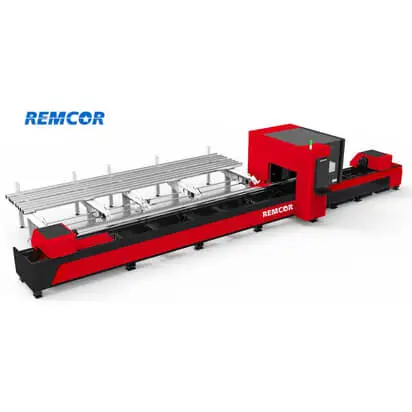
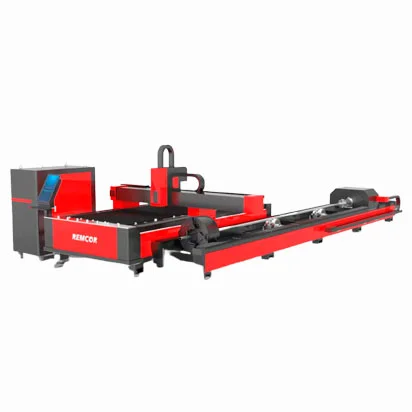
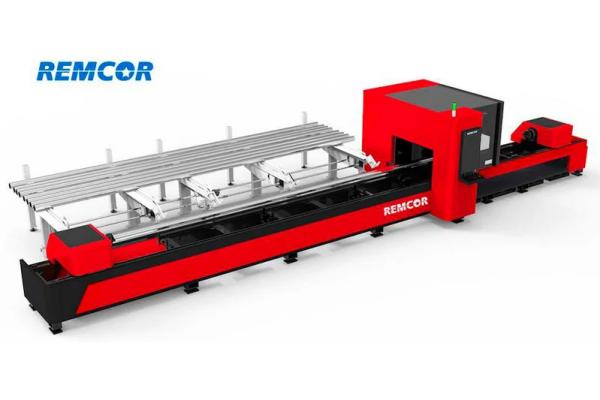
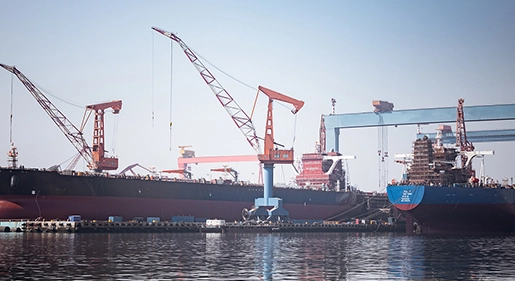
CNC tube laser cutting machines are widely applied in processing large structural steel such as H-beams, I-beams, channel steel, box columns and heavy steel plates, serving industries including steel structures, bridges, construction machinery, shipbuilding and power equipment.
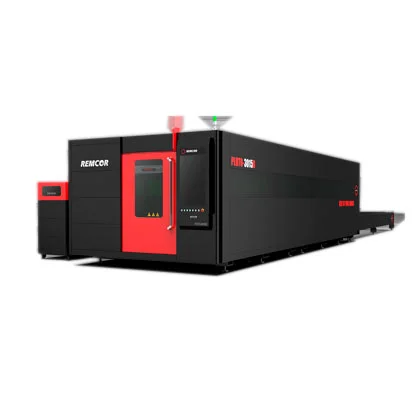
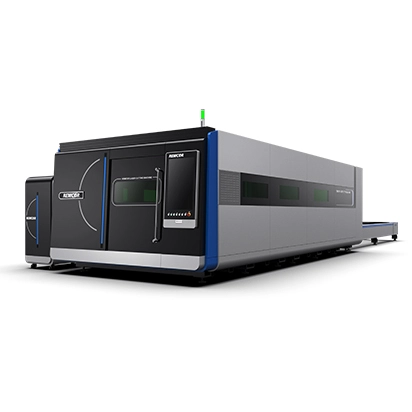
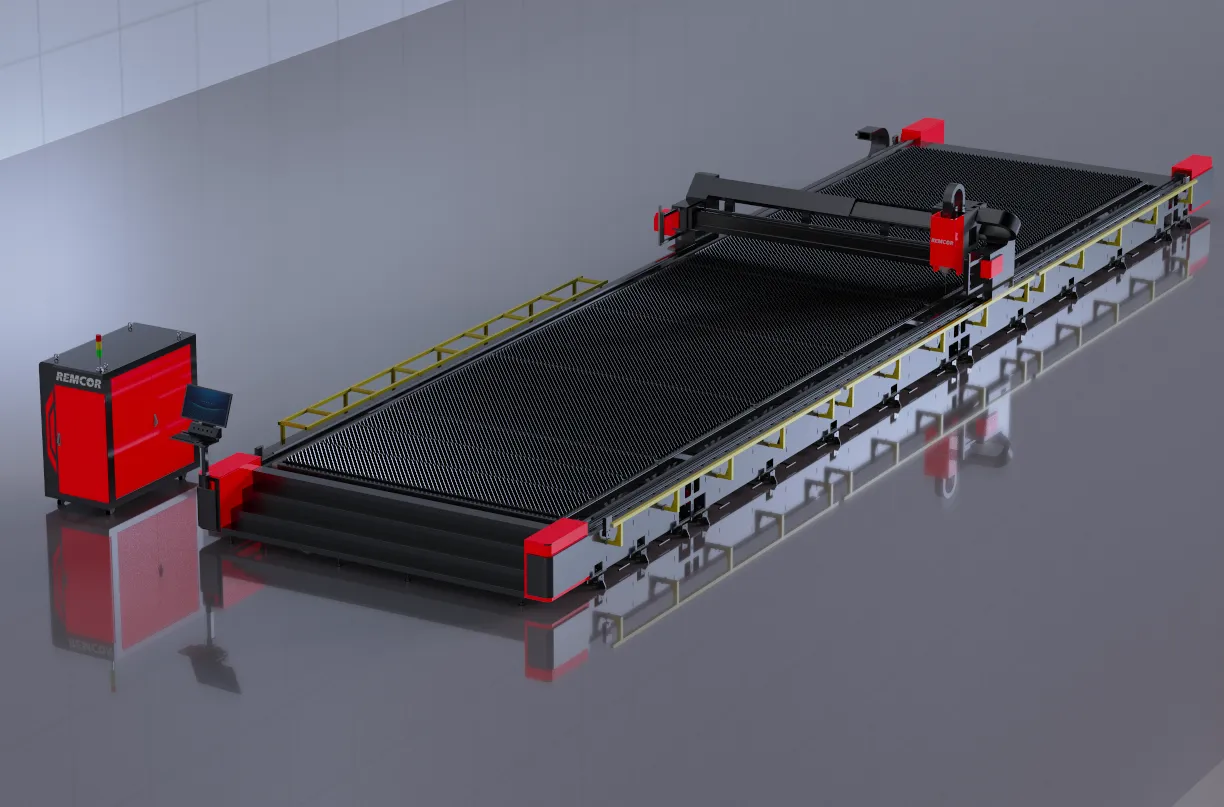
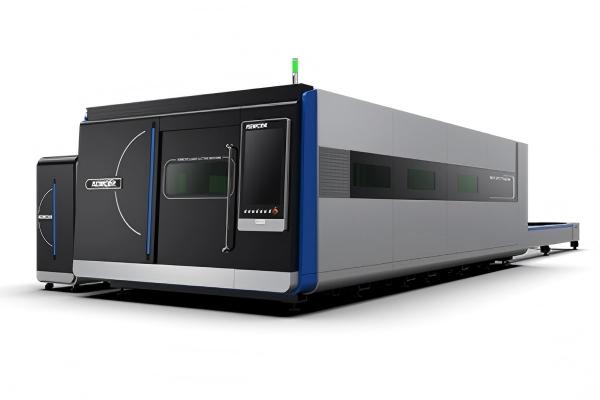
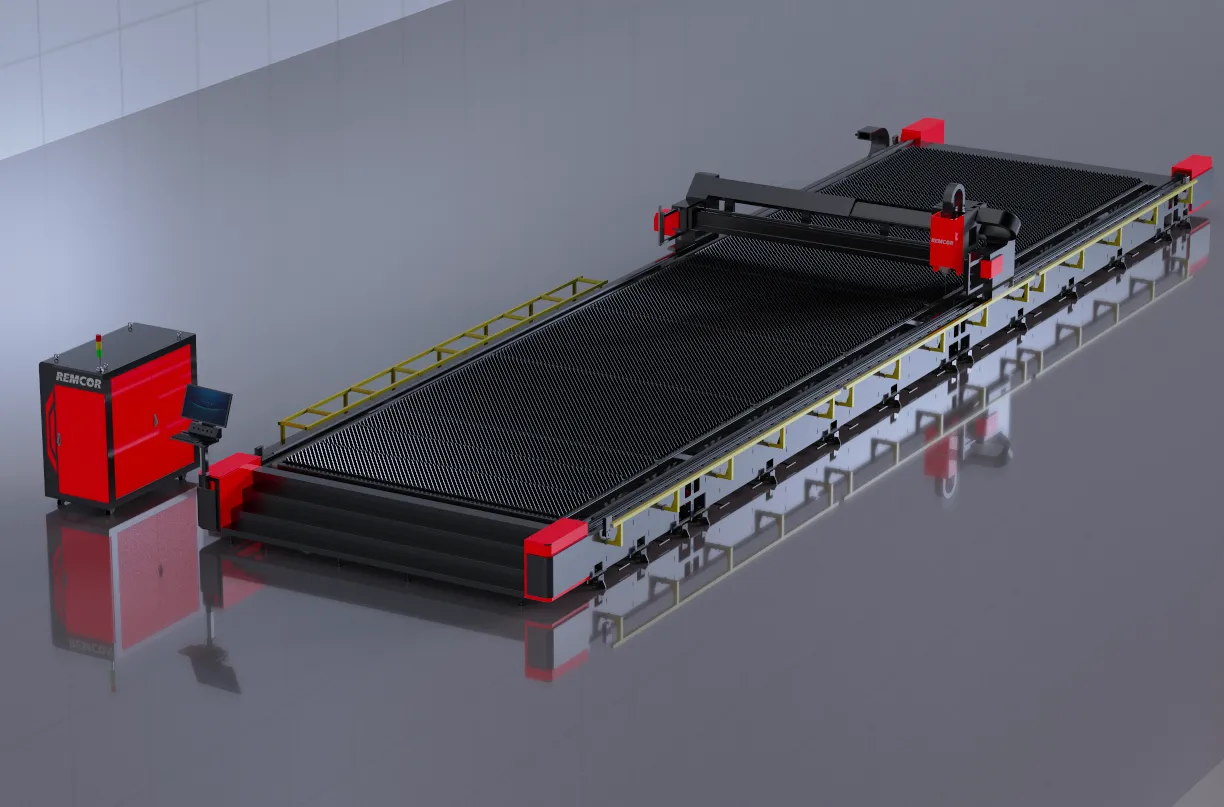
For large-format and oversized workpieces, CNC metal cutting laser machine feature extra-large worktables and robust frames, enabling one-step full-size cutting without repeated clamping or splicing. They deliver high precision, narrow heat-affected zone and minimal deformation, ensuring excellent straightness and dimensional stability even for long and heavy profiles.
Compared with flame and plasma cutting, laser technology provides clean, burr-free edges that reduce secondary processing. It integrates hole cutting, beveling, notching and marking in one pass, greatly improving efficiency. High-precision nesting also maximizes material utilization, lowers scrap rates and ensures consistent quality for mass production of large structural steel components.
 English
 русский
 français
 Deutsch
 Español