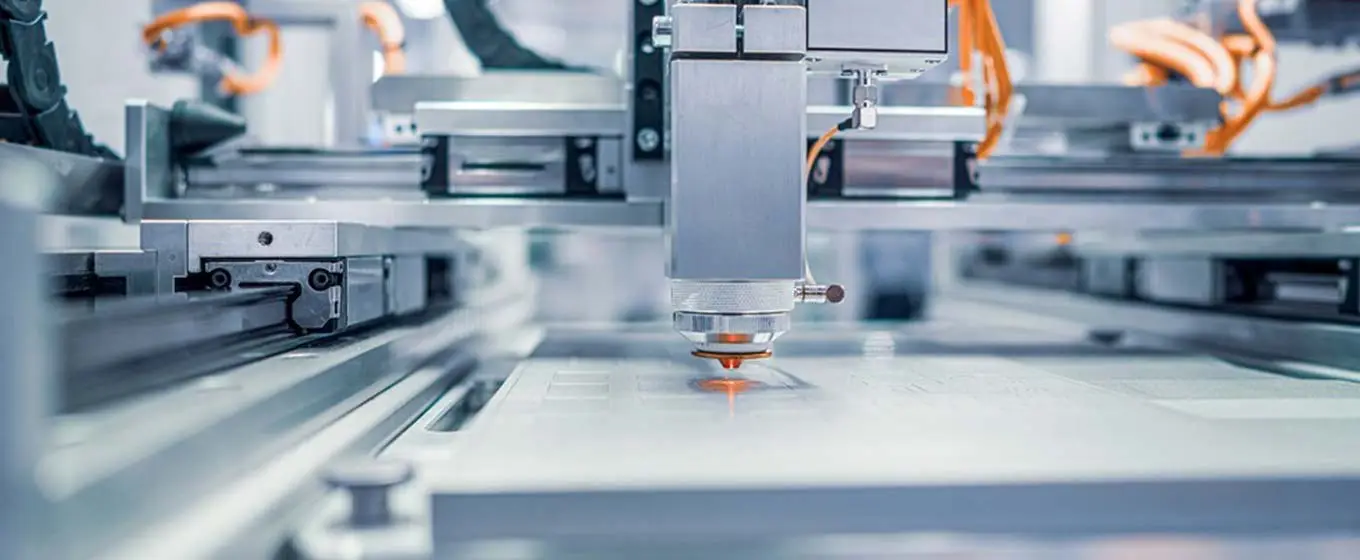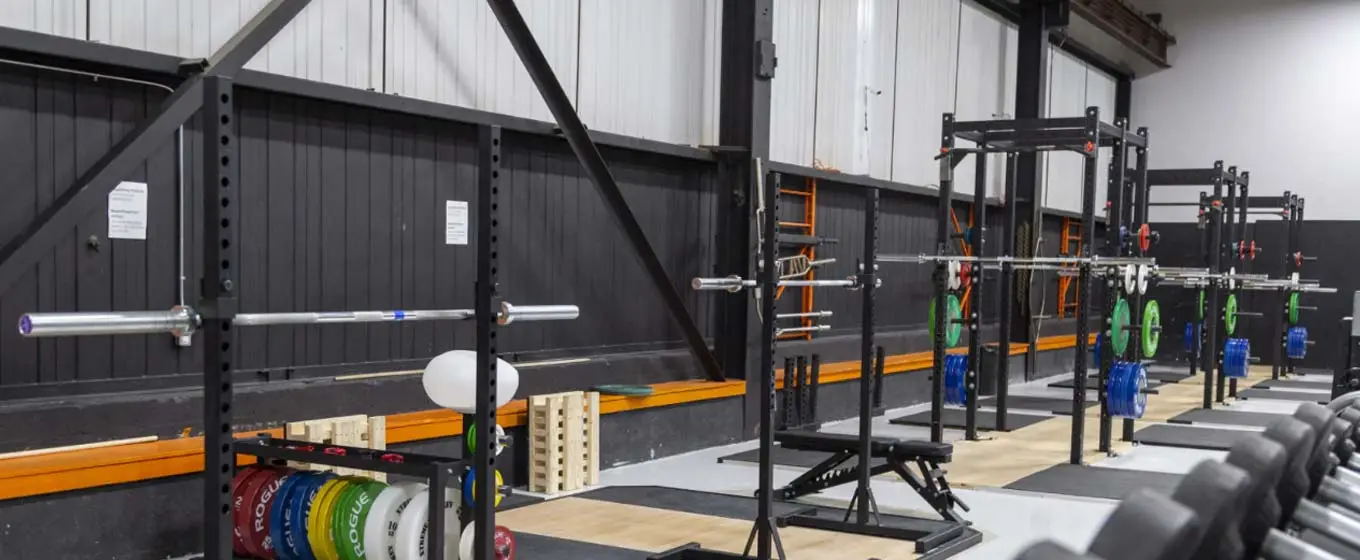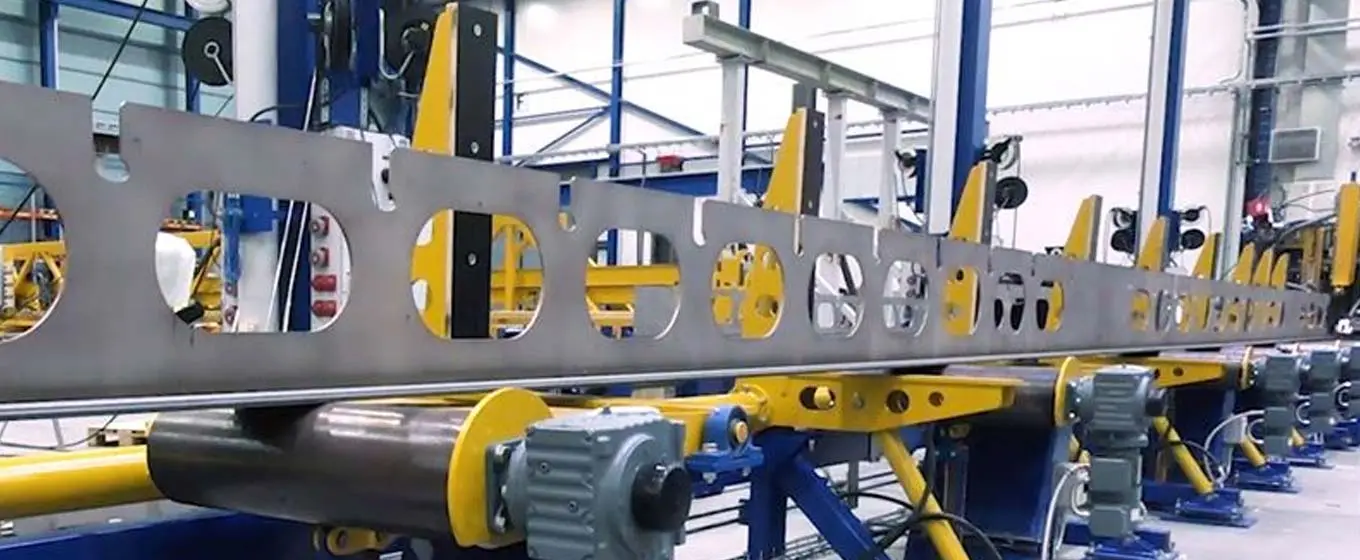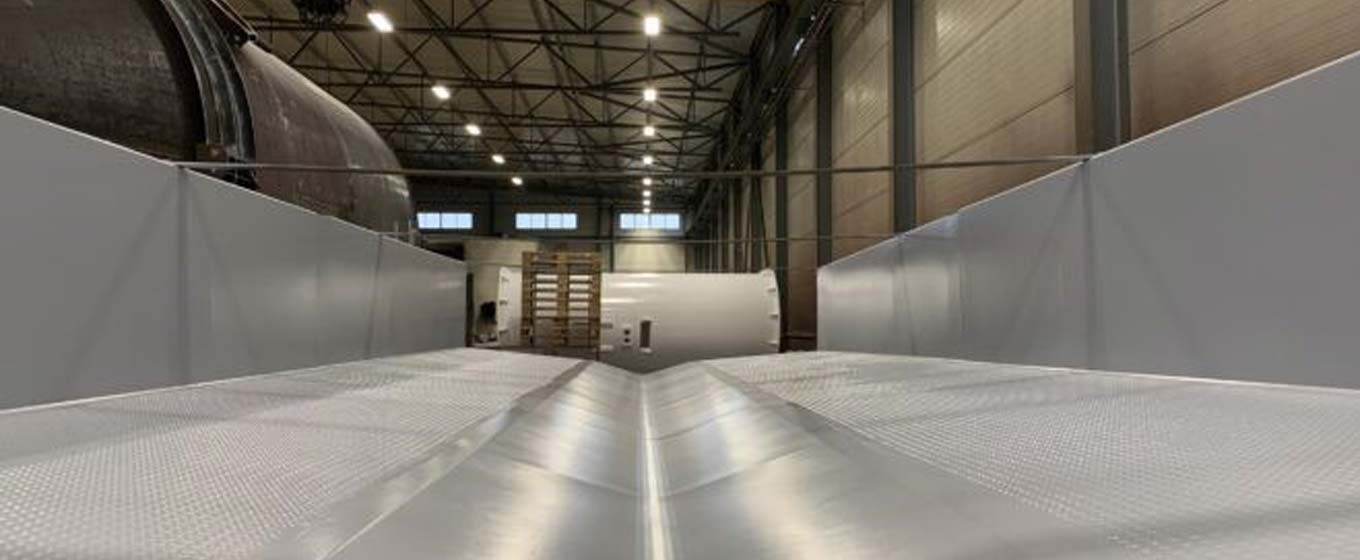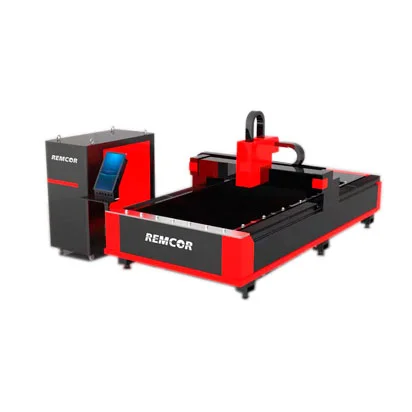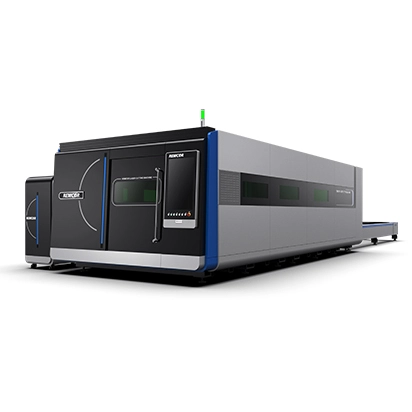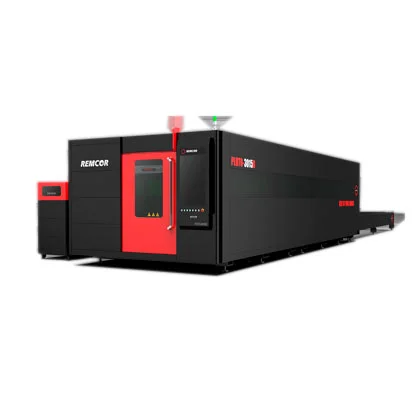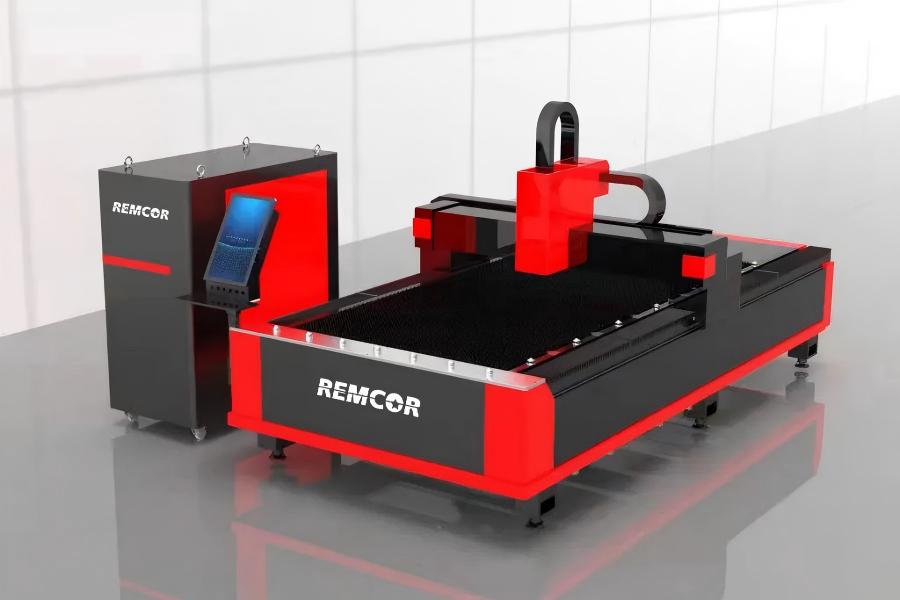
Pluto UD series laser cutting machine is suitable for ultra-high power from 20KW-40W
"Pluto" means Enclosed cover,"U" means Ultra-high power,“D”means Double table
It is mainly for the thick material cutting, which needs the machine have a higher loading capability,higher cutting speed
higher acceleration speed, bigger size etc.
1) Fully plate welding bed with annealing treatment. Plate thickness up to 16mm
2) For cutting the thick or high-reflective metallic materials
3) For laser source power from 20KW-40KW
4) For the bigger bed size such as 6025, 8025, 12025 etc.
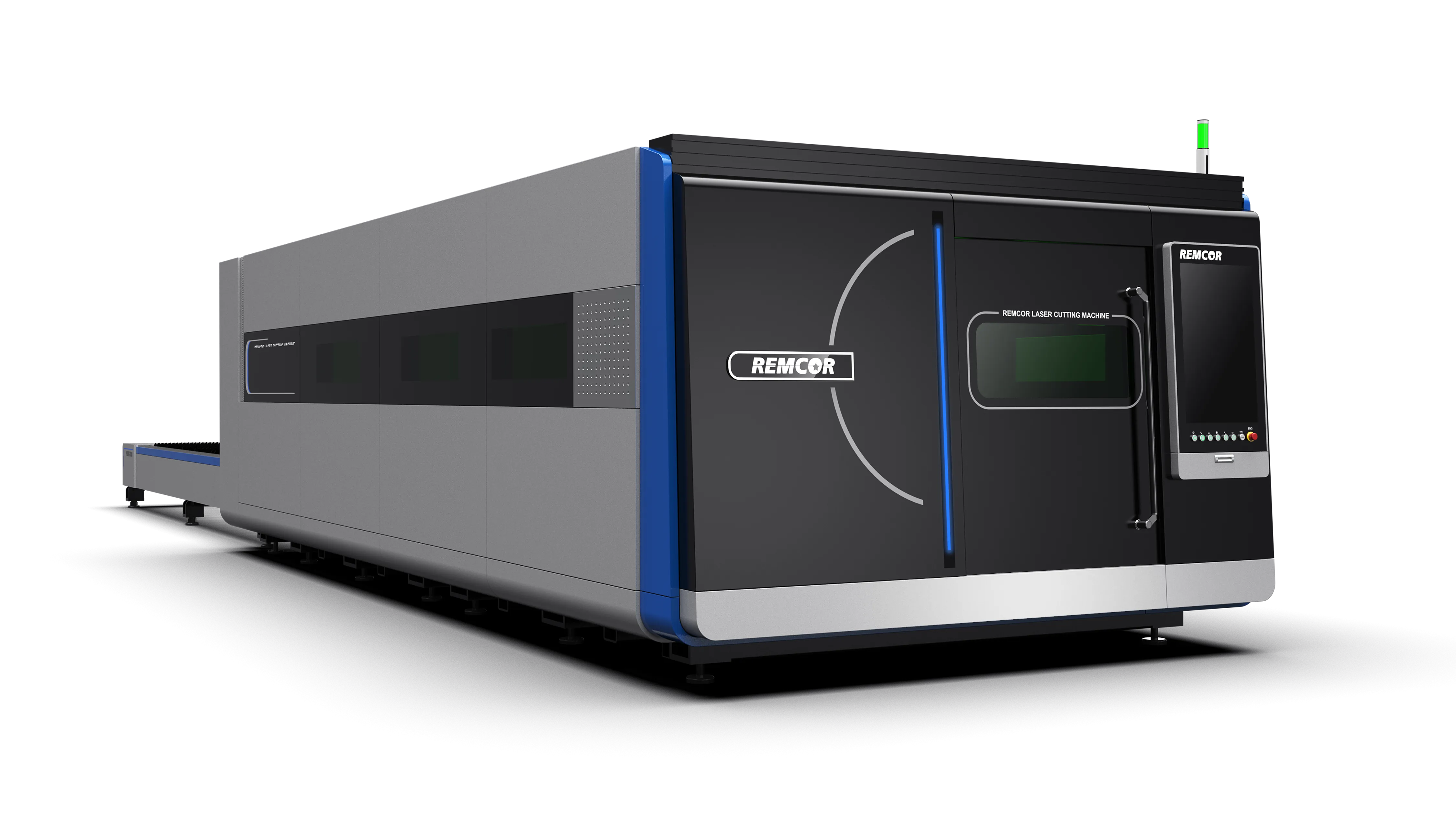
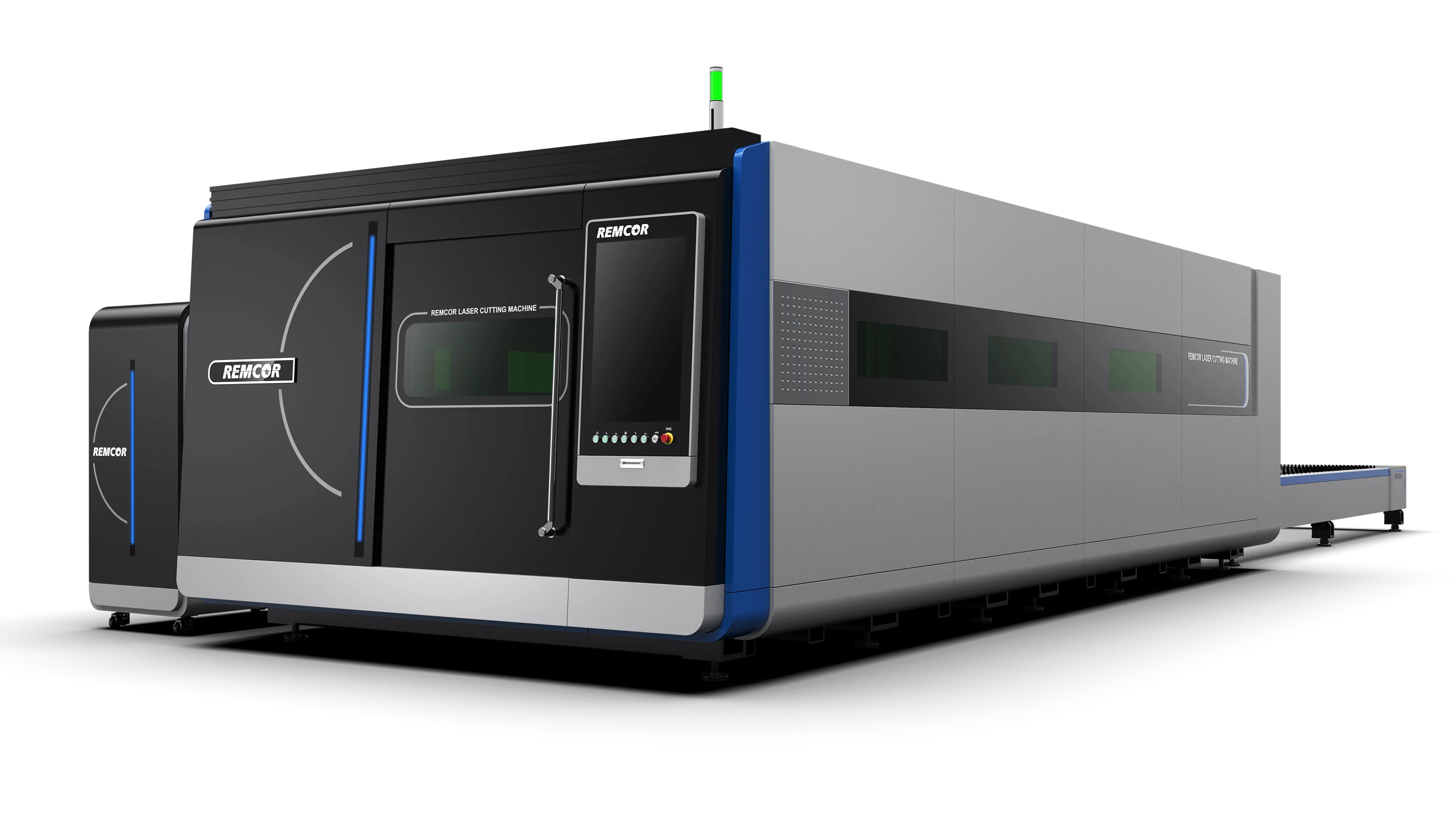
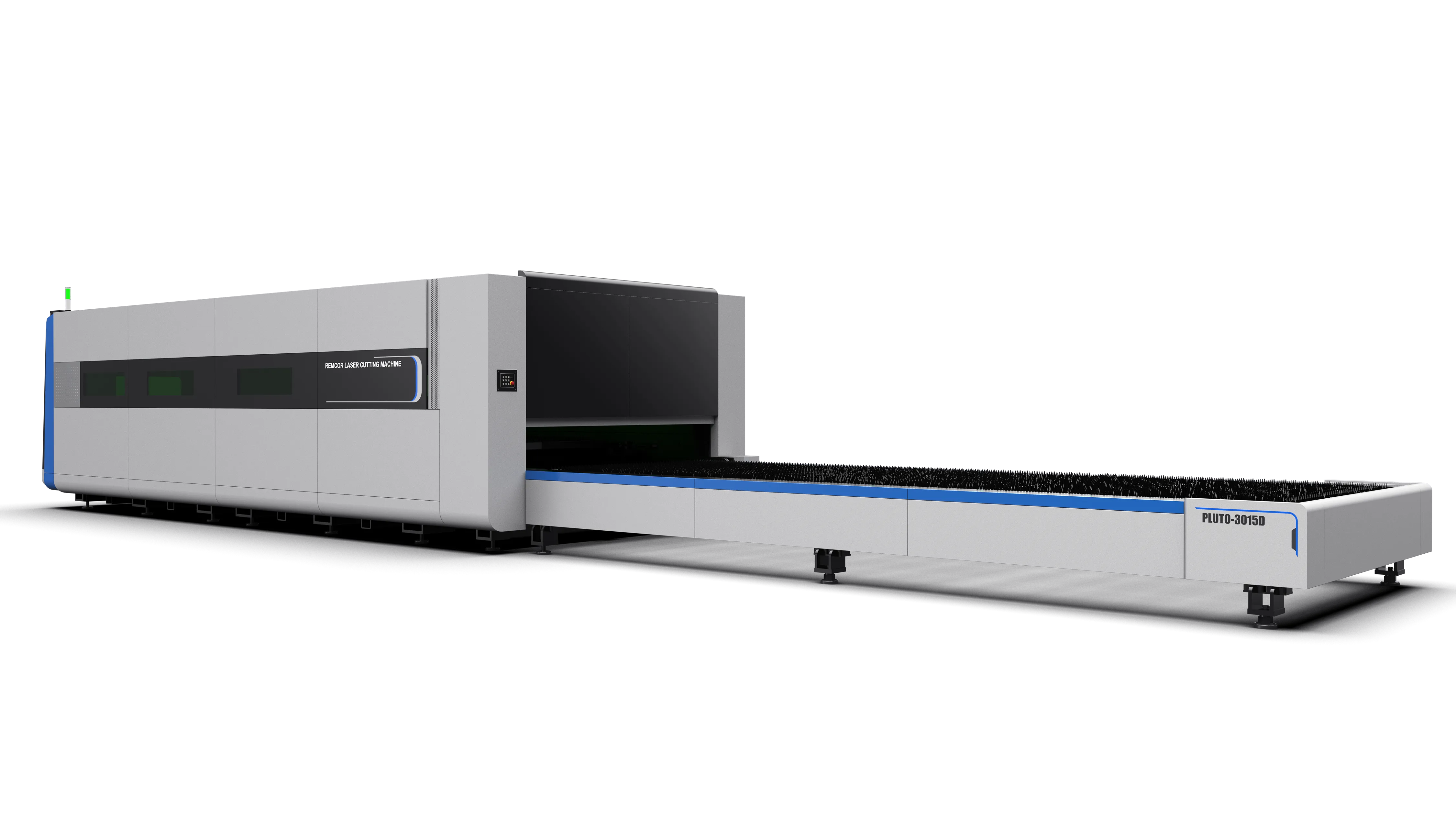
With the rapid development of heavy industries, the demand for High Power Laser Cutting Machines continues to grow. In specific sectors—such as shipbuilding, heavy steel structures, offshore platforms, pressure vessels, and large-scale fabrication—customers are required to cut ultra-thick metal plates at high speed, while maintaining excellent cutting edge quality.
For these applications, conventional high-power laser systems (6kW–12kW) are no longer sufficient. This is exactly why 20kW–40kW ultra high-power fiber laser cutting machines have become essential.
Ultra high-power fiber laser cutting machines are designed to significantly improve cutting performance on thick stainless steel, and to enhance overall productivity in demanding industrial environments. Although the improvement on carbon steel thickness is relatively limited compared with stainless steel, ultra high-power laser systems still attract strong attention from specific heavy industries due to their speed, efficiency, and process stability.
In many job shops, air cutting is often used to reduce operating costs. However, when using low-power laser cutting machines, air cutting results in poor edge quality and slow cutting speed, especially on thick materials.
By contrast, a High Power Laser Cutting Machine operating at 20kW or above enables:
Faster cutting speed
Better edge quality on thick stainless steel
Higher productivity per shift
That said, ultra high-power systems are not designed for market testing. They require clear production planning, stable order volume, and experienced operators to truly deliver long-term profitability.
Ultra high-power laser cutting machines are typically combined with large-format working tables, such as 8025 or above.
For example:
A 20kW High Power Laser Cutting Machine can cut up to 70mm carbon steel and 100mm stainless steel
A 12kW laser system is usually limited to 40mm carbon steel and 50mm stainless steel
Taking 70mm carbon steel and an 8025 table as an example:
Load calculation
7.85 × 8.0 × 2.5 × 70 ≈ 10,990 kg
This means the machine bed and exchange table must support at least 11 tons of material.
If the load capacity is insufficient, long-term operation will cause:
Machine deformation
Loss of cutting precision
Reduced machine lifespan
A rigid, heavy-duty machine body is therefore critical for any High Power Laser Cutting Machine above 20kW.
Low-power laser cutting machines have relatively limited cutting ranges, and most engineers are already familiar with their parameters.
However, for ultra high-power laser cutting, cutting parameters become far more complex, including:
Different materials
Different thicknesses
Assist gas types (O₂, N₂, Air)
Gas pressure
Nozzle types
Focus position
Even with parameter presets, material standards differ from country to country, meaning on-site optimization is always required.
Therefore, ultra high-power systems demand experienced operators with strong process knowledge.
In a High Power Laser Cutting Machine, the material is melted and vaporized by extremely concentrated laser energy at the focal point. This high energy originates from the focus lens, which is exposed to intense thermal stress.
At ultra high power:
The focus lens temperature rises significantly
Thermal deformation may occur
Focus point drift becomes more likely
Once focus drift occurs:
Cutting edge quality deteriorates
In extreme cases, the material cannot be fully cut through
Advanced cooling systems, optical design, and thermal control are therefore essential for stable ultra high-power cutting.
The purchase cost of a High Power Laser Cutting Machine is only part of the investment. Over long-term operation, electricity cost becomes the dominant expense.
Laser systems typically have an electro-optical conversion efficiency of 25%–30%.
For example:
A 20kW laser source requires approximately 80kW electrical input (20 ÷ 0.25)
When including chillers, dust collectors, and auxiliary systems, total power consumption increases further
This makes ultra high-power laser cutting suitable only for users with stable production demand and clear cost planning.
Laser source stability is one of the biggest concerns for customers investing in a High Power Laser Cutting Machine.
While global brands such as IPG are widely trusted, laser source stability has improved significantly in recent years, especially due to large-scale industrial validation in China.
Today, ultra high-power laser sources have proven reliability, and laser power levels up to 400kW already exist—although they are limited to very specialized industries.
In addition to electricity costs, consumables are the second-largest operational expense.
Key consumables include:
Protective lenses
Nozzles
Sealing components
These parts are used frequently in ultra high-power cutting and must be replaced regularly. Proper cost estimation and spare parts management are therefore critical.
Laser cutting involves radiation hazards, and ultra high-power systems significantly increase safety risks.
For this reason:
A fully enclosed protective cover is mandatory
Proper lifting equipment must be used for heavy plates
Operators must follow strict safety protocols
Safety should always be a top priority when operating a High Power Laser Cutting Machine.
Cutting thick plates generates a large volume of smoke and metal vapor. Without effective extraction:
Workshop air quality deteriorates
Equipment contamination increases
Ultra high-power laser cutting machines must be integrated with high-efficiency dust collectors to ensure a clean and safe working environment.
Bevel cutting is increasingly important for heavy fabrication and welding preparation.
A High Power Laser Cutting Machine with bevel cutting capability can significantly improve welding efficiency and joint quality.
After-sales service is especially critical for ultra high-power systems.
The most important components are:
Laser source
Laser cutting head
If a laser source fails, shipping it back to China is costly and time-consuming.
Therefore, we recommend using RAYCUS CE laser sources, which allow temporary replacement units to be provided quickly, minimizing downtime.
An Ultra High-Power Enclosed Fiber High Power Laser Cutting Machine is a powerful productivity tool—but only when matched with the right applications, experienced operators, strong infrastructure, and professional after-sales support.
For customers in heavy industries with real cutting demand, ultra high-power laser cutting represents a strategic investment with strong long-term returns.
Item | High Power Laser Cutting Machine | Plasma Cutting | Advantages of High Power Laser Cutting |
Positioning Precision | ±0.14 mm / 10 m | ±0.4 mm / 10 m | Much higher positioning accuracy |
Section Perpendicularity | ≤0.2 mm / 40 mm | ≤5 mm / 40 mm | No need for secondary machining |
Kerf Width (Cutting Gap) | 0.2 – 1.5 mm | 2.0 – 5.0 mm | Less material removal |
Material Utilization | High | Low | Material saving of approx. 5–8% |
Minimum Borderline / Common Edge | 3 – 4 mm | ≥10 mm | Higher nesting efficiency |
Heat Affected Zone (HAZ) | 0.1 – 0.4 mm | 0.5 – 2.0 mm | Low heat absorption, minimal deformation |
Cut Section Quality | Excellent, very little slag | Normal, heavy slag | No grinding or polishing required |
Cutting Speed (20 mm Carbon Steel) | Fast | Normal | Higher productivity and efficiency |
Small Hole Capability | Hole diameter to thickness ratio: 10–20% | Not suitable | No drilling or secondary processing required |
Bevel Cutting | Supported | Generally not supported | No secondary bevel processing |
Working Environment | Clean, low smoke | Heavy smoke and dust | Environmentally friendly |
Compared with plasma cutting, a High Power Laser Cutting Machine offers:
Much higher cutting precision and repeatability
Excellent cut edge quality with minimal slag
Smaller kerf width and higher material utilization
Lower heat affected zone and reduced thermal deformation
Capability to cut small holes and complex contours
Integrated bevel cutting without secondary processing
Cleaner, safer, and more environmentally friendly working conditions
These advantages make high power fiber laser cutting the preferred solution for shipbuilding, steel structures, pressure vessels, heavy fabrication, and high-value metal processing industries.
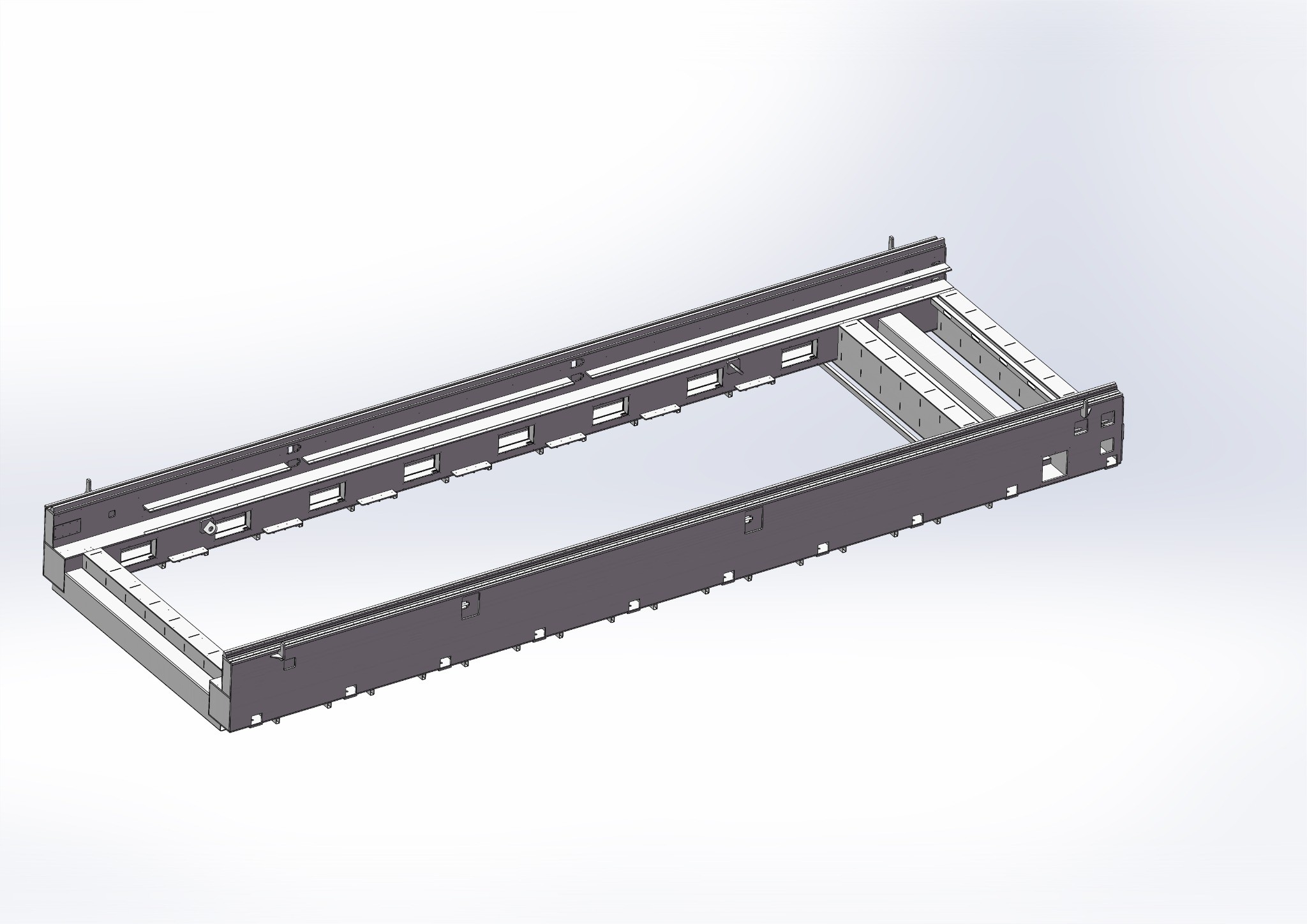
The hollow design is an advanced structural concept widely used in modern fiber laser cutting machines to achieve an optimal balance between strength, weight reduction, and thermal performance.
By adopting a scientific hollow structure inside the machine body, the overall weight is reduced without sacrificing rigidity. This design improves dynamic response, allowing faster acceleration and deceleration during cutting, which directly increases productivity and positioning accuracy.
In addition, the hollow design enhances heat dissipation. During high-power laser cutting, heat accumulation can affect machine stability. The hollow structure improves air circulation within the machine body, reducing thermal deformation and maintaining stable cutting precision over long working hours.
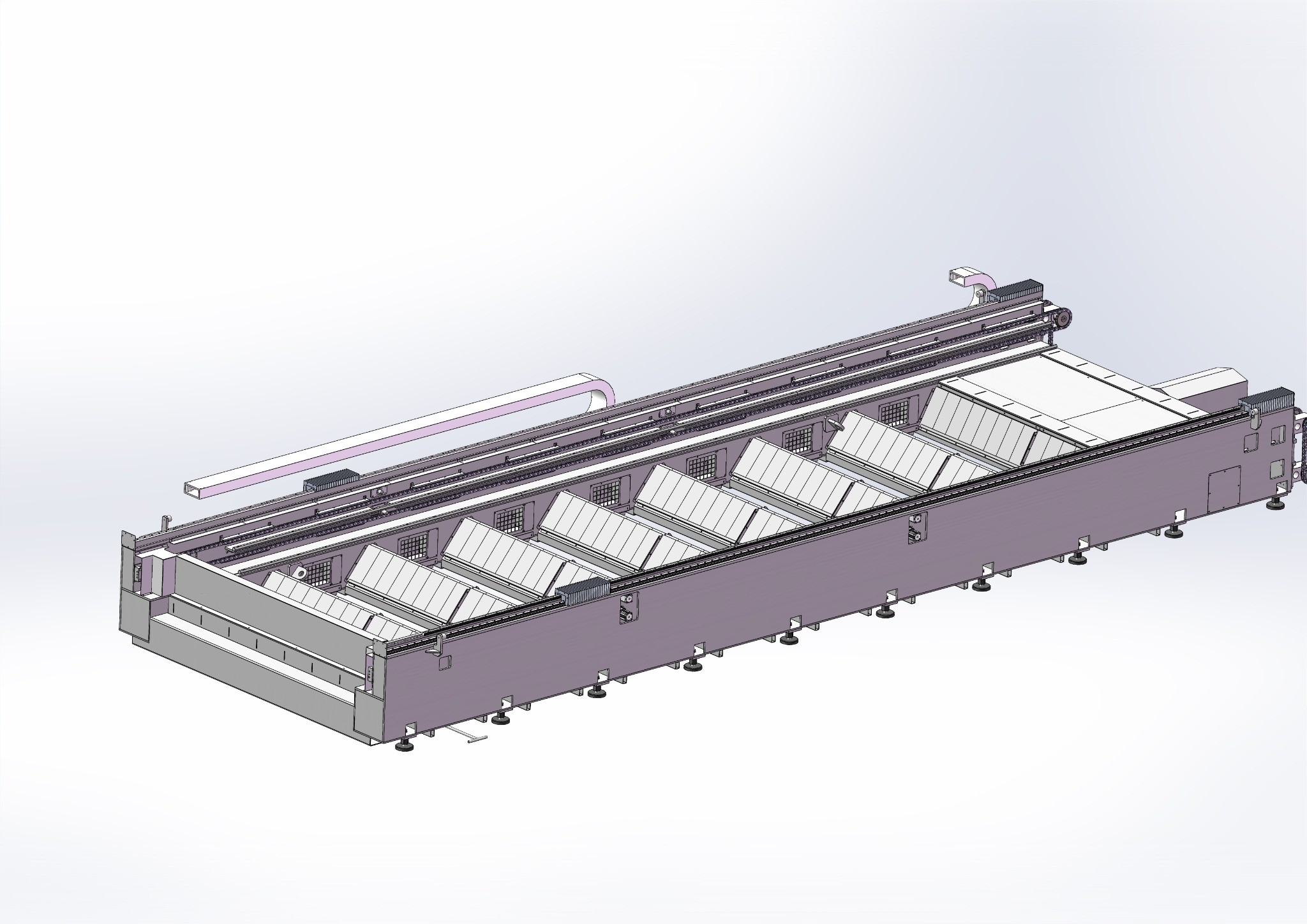
Sectional Smoke Suction Design of the Fiber Laser Cutting Machine Body
On the lower side panels of the fiber laser cutting machine body, multiple small suction holes are designed for the sectional smoke extraction system. This advanced structure plays a critical role in maintaining a clean, safe, and efficient working environment during metal cutting operations.
During high-power fiber laser cutting, especially when cutting thick carbon steel plates, a large amount of smoke, dust, and metal fumes is generated instantly. If this smoke is not evacuated in time, it will quickly spread throughout the workshop, affecting operator health, reducing visibility, and contaminating key machine components.
To solve this problem, our fiber laser cutting machine is equipped with a section-by-section suction system integrated into the machine body. When the sheet metal cutting machine is in operation, only the cutting area is activated for suction, allowing smoke and dust to be removed immediately and efficiently at the source. This significantly improves smoke extraction efficiency compared with traditional full-table suction systems.
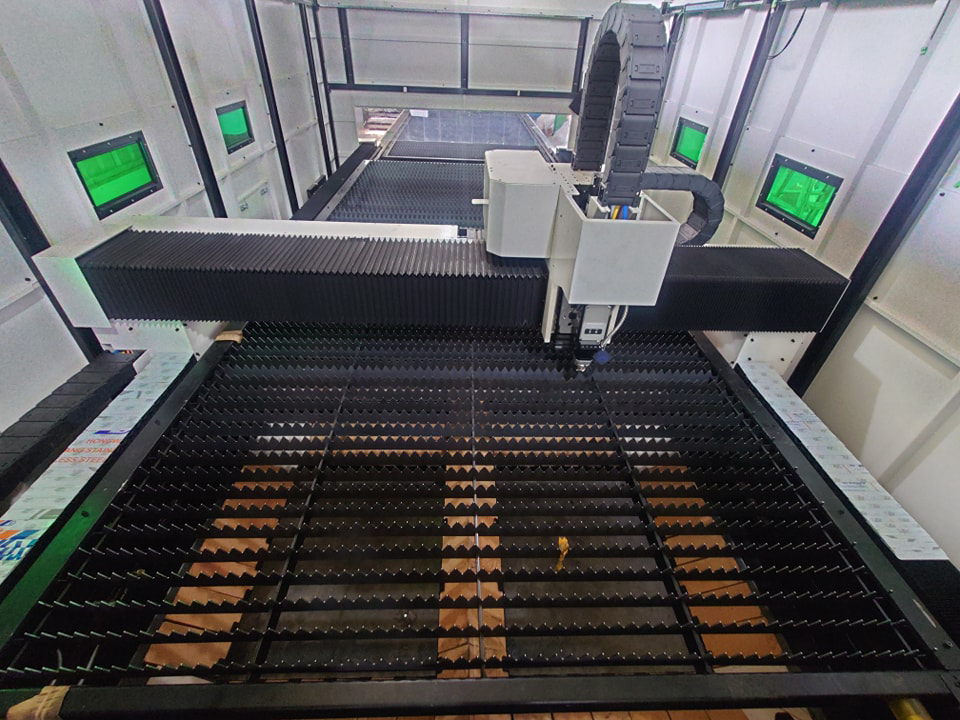
Strong brick was applied to transfer the heat. Efficiently prevent the machine bed from being deformed by the heat and guarantee the service life.
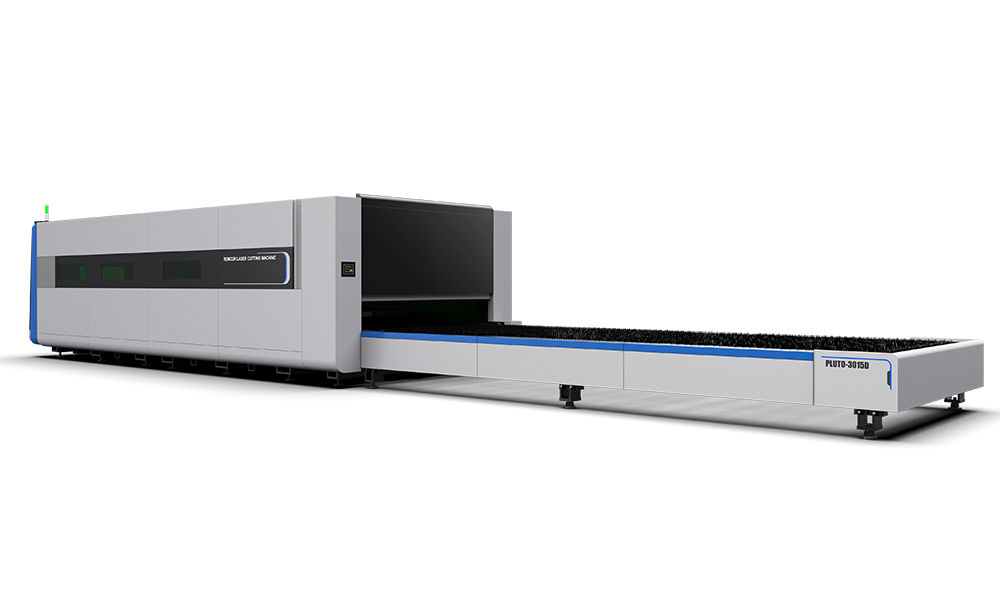
Inter-switching workbench, exchange fast in 19 second, saving the loading time
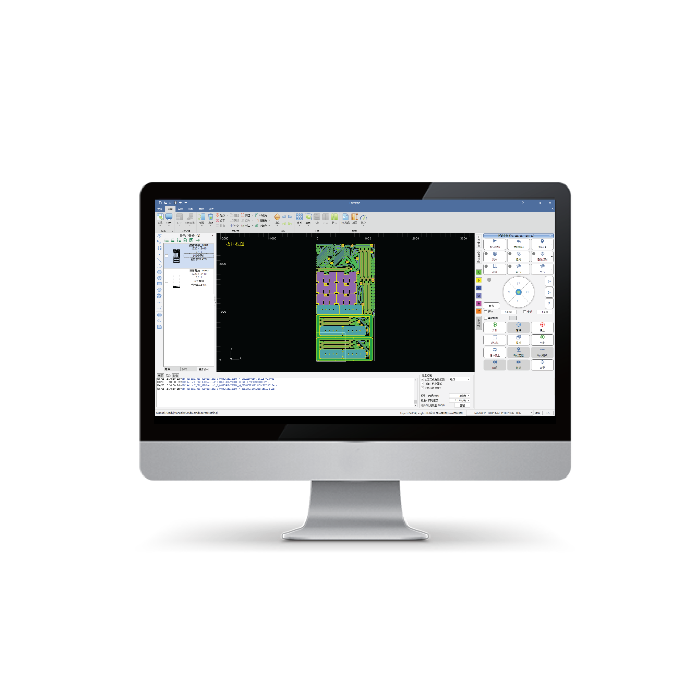
Currenlty, the combination between Bochu System and BLT series laser cutting head is the best option for the fiber laser cutting machine
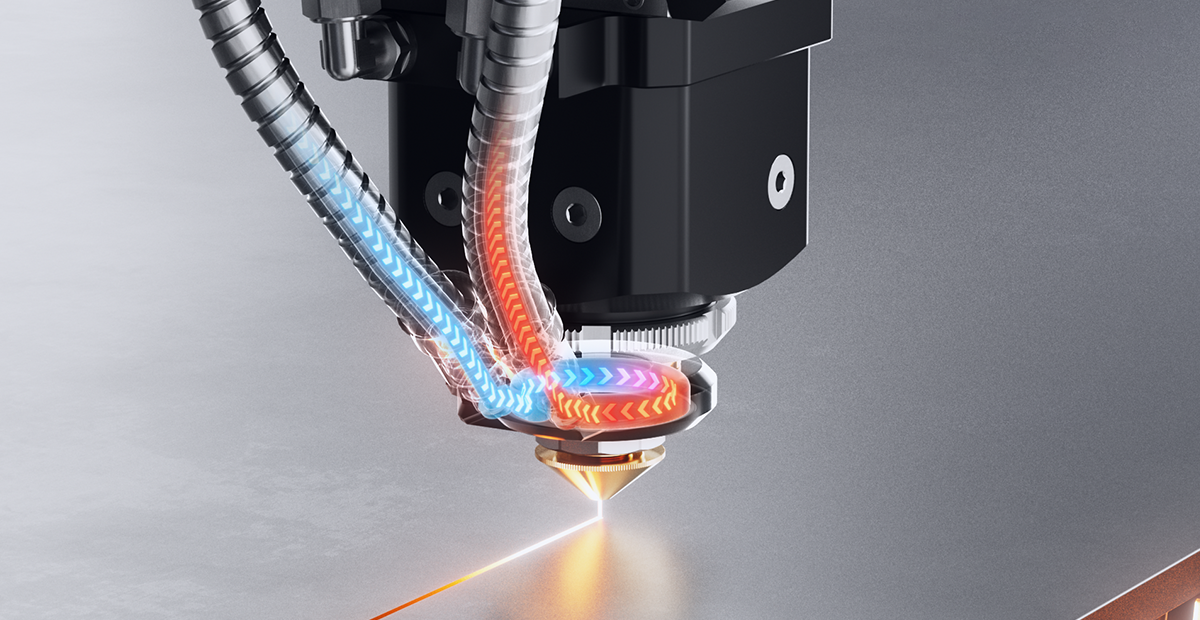
For the laser cutting head, the most important items are the cooling, if the head no have the enough cooling, the laser head will not cut well by its drifted focus, once the focus is
drifted, it can not focus the light beam, which can not get the strongest light beam to cut the material
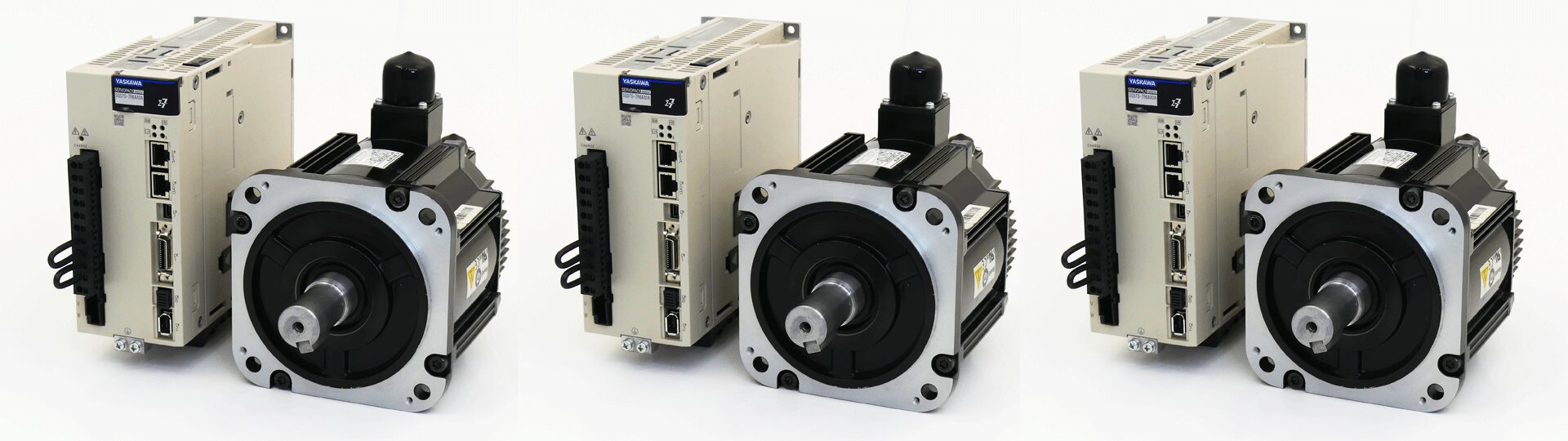
For our ultra-high power laser cutting machine, all parts use the international brands for the heavy duty, bigger sheet size etc. use
Like Servo Motor: Yaskwa motors and drivers
Do not hesitate to give us a call or drop off a message if you have any question.
 English
 русский
 français
 Deutsch
 Español