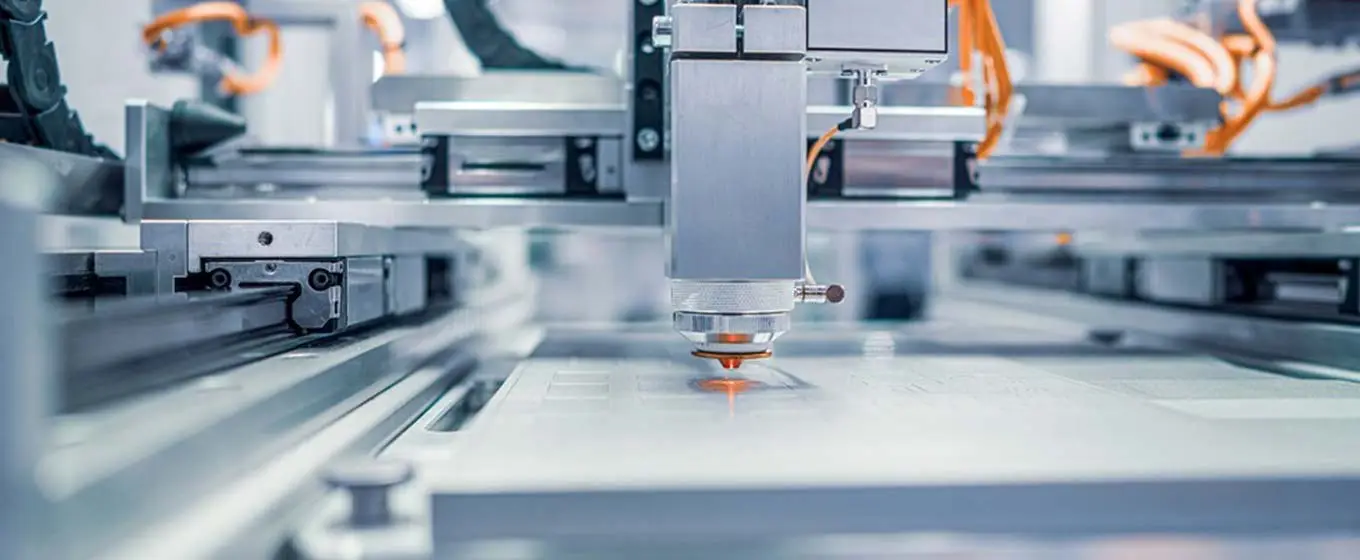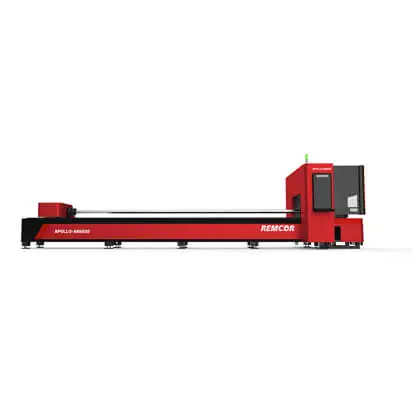
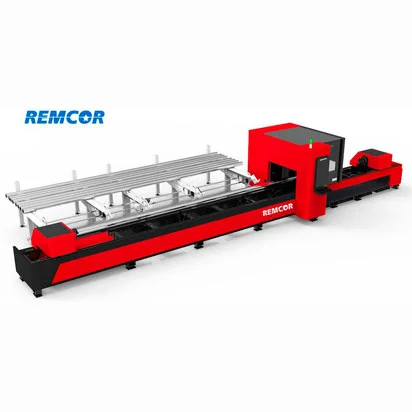
Applo BK 3 chucks pipe laser cutting machine features
It is mainly for the heavy duty, long pipes, and Zero Tailing pipes etc.
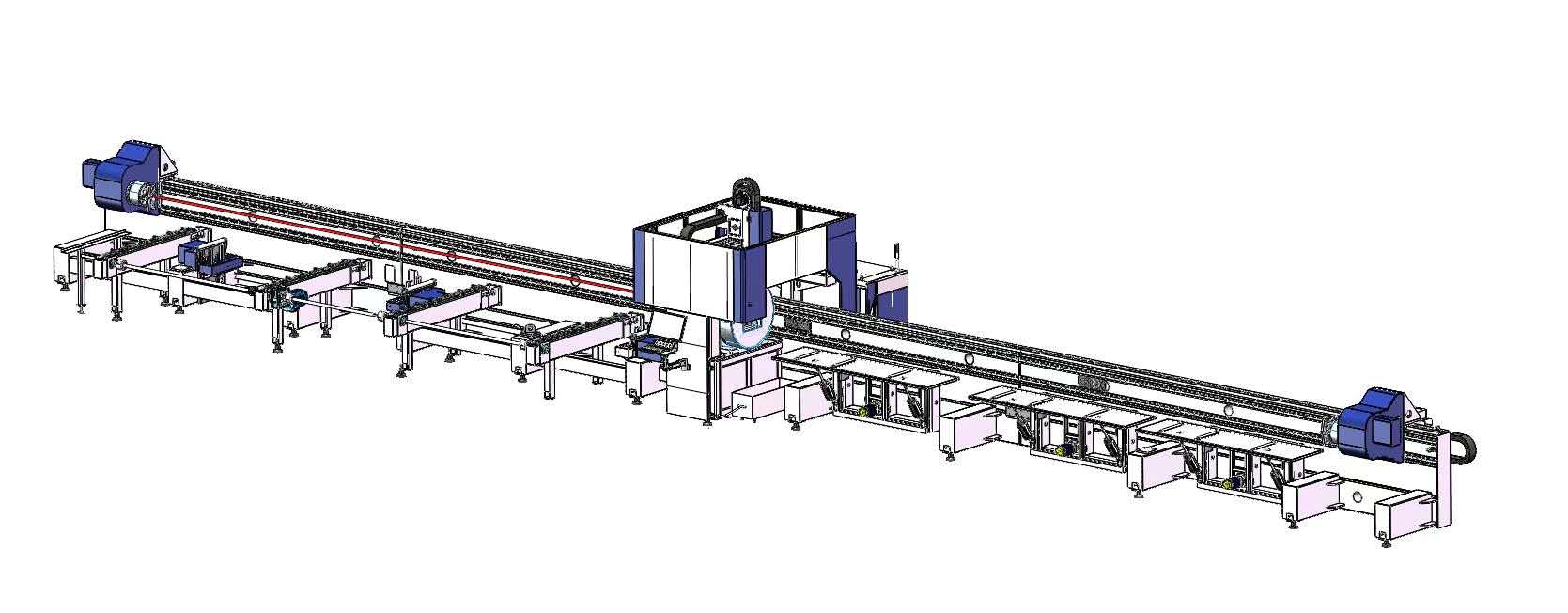
1) 3 chucks, front chuck and main chucks and back side chucks
2) Chuck diamters available: 220mm, 250mm,460mm etc.
3) Length available: 8M,12M is standard, other size can be customized
4) Laser source Power: 6000W-20000W
5) Semi Auto loading & auto material loading is available
6) Bevel cutting function is optional
7) Side moving and paralleling moving is available
8) OEM and ODM services can be available
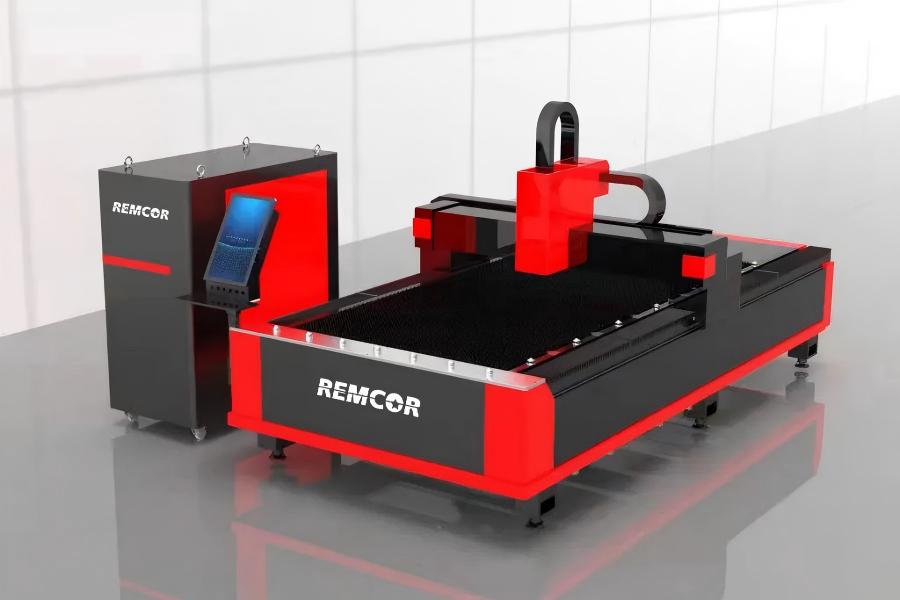
Compared with a sheet fiber laser cutting machine, selecting a pipe (tube) laser cutting machine requires more detailed technical consideration. This is because pipe cutting is a dynamic 3D cutting process, involving rotation, clamping, gravity, and vibration, while sheet cutting is mainly a 2D linear movement.
For sheet metal laser cutting, once the sheet size and maximum material thickness are confirmed, it is relatively easy to choose a suitable machine. However, for a pipe laser cutting machine, multiple additional parameters must be evaluated to ensure stable cutting performance, precision, and automation capability.
Below are the key points to fully understand and correctly select a fiber laser pipe cutting machine:
The first and most critical factor is the pipe diameter.
For round pipes, selection is based directly on the outer diameter (OD).
For square or rectangular pipes, the equivalent round diameter must be calculated.
Example:
A square pipe of 100 × 100 mm
Equivalent round outer diameter:
100 × 1.414 ≈ 141 mm
In this case, a 160 mm chuck diameter should be selected to ensure safe clamping.
Correct chuck size selection is essential for cutting stability and accuracy in any tube laser cutting machine.
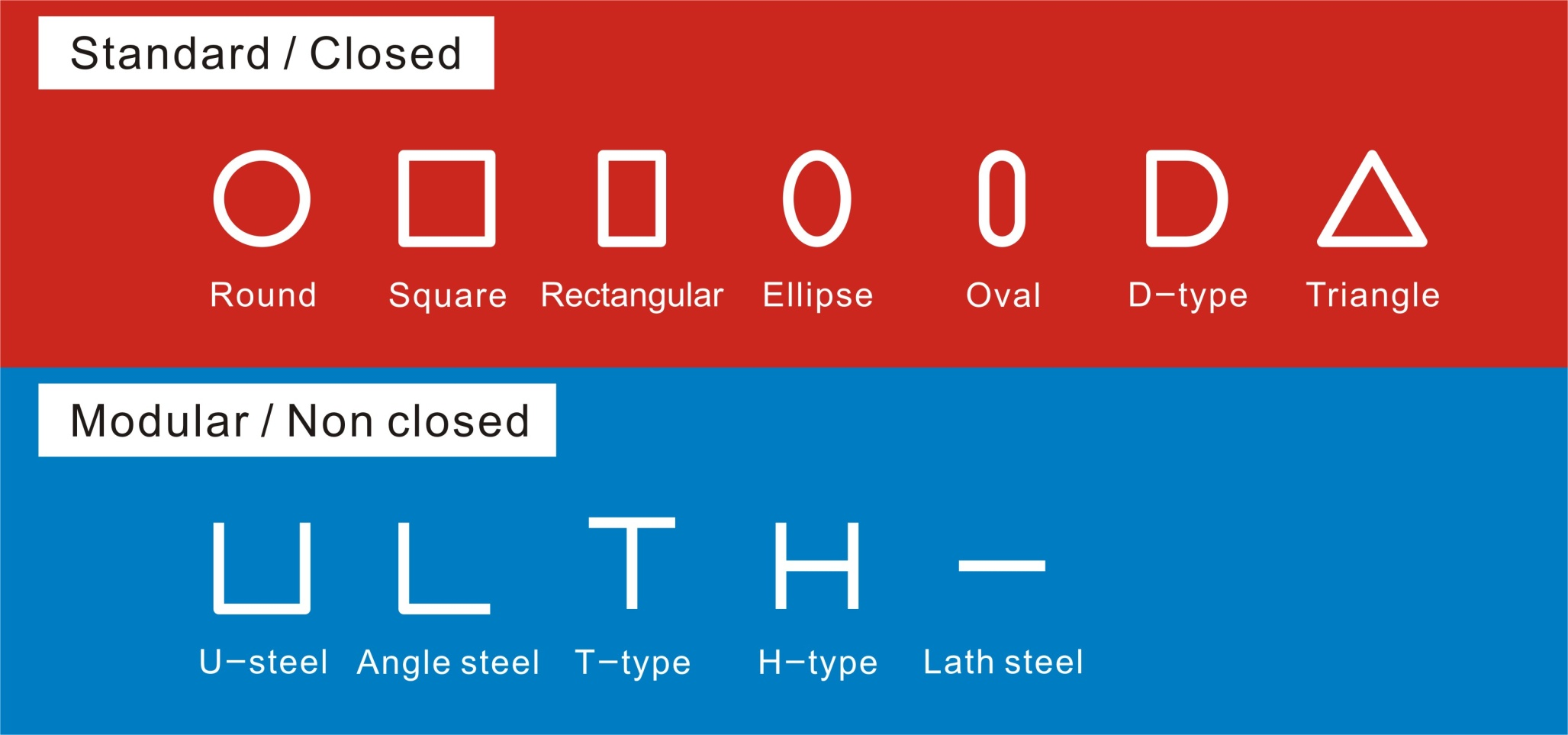
Common pipe shapes include:
Round
Square
Rectangular
These shapes are generally suitable for automatic loading systems.
Special profiles such as:
C-channel
H-beam
L-profile / angle steel
usually require semi-automatic loading, due to their asymmetrical structure and clamping difficulty.
The most common pipe lengths are:
6 meters (standard)
12 meters (extended)
Pipe length directly affects machine configuration, loading system design, and chuck quantity.
Pipe thickness has a direct impact on laser source power selection.
Unlike sheet cutting, pipe cutting has a special challenge:
Corner thickness is greater than side thickness, especially for square and rectangular pipes
As a result, cutting speed at corners is slower, and insufficient laser power may lead to poor cut quality
Therefore, pipe laser cutting machines often require higher power compared with sheet cutting machines of the same nominal thickness.
Material type is another key factor affecting laser power and cutting performance.
Common materials:
Carbon steel (CS)
Stainless steel (SS)
Special materials:
Copper
Brass
Aluminum alloys
High-reflective materials such as copper and brass must be clearly specified in advance, as they require higher laser power and specialized cutting parameters.
The load capacity of the chuck system is limited.
Typically, a dual-chuck pipe cutting machine supports up to 300 kg
If the single pipe weight exceeds this limit, machine structure and configuration must be re-evaluated, such as:
Heavy-duty chucks
Additional supports
Customized machine design
In regions with high raw material costs, customers often require minimum tail waste.
For large-diameter or heavy-duty pipes, rear waste control becomes especially important. Advanced pipe laser cutting machines can significantly reduce leftover material, improving overall material utilization.
The required finished part length directly determines how many chucks are needed.
For 6 m pipes, the maximum unsupported finished part length with dual chucks is usually up to 3 m
If the finished part length exceeds 3 m, a three-chuck pipe laser cutting machine is strongly recommended
A 3-chuck design provides better support, reduces vibration, and ensures higher cutting accuracy for long parts.
For customers with welding requirements, a bevel cutting function is often essential.
Bevel cutting:
Improves welding quality
Reduces secondary processing
Is commonly used in structural steel, frames, and heavy fabrication industries
Modern fiber laser pipe cutting machines can support automatic bevel cutting for higher production efficiency.
One-piece fully enclosed helical gear transmission
Excellent dust-proof performance and long service life
Convenient concentricity adjustment device
Automatic short tail material cutting mode for safer operation
Aluminum body with oxidation treatment for lower inertia and better dirt resistance
Strong and reliable clamping force for heavy-duty and long pipes
Supports higher rotation speed for increased productivity
Eliminates risks of air leakage and poor clamping
For more information, the 3 Chucks Tube Fiber Laser Cutting Machines Advantages And Disadvantages can be useful to undestand more

It simplifies complex CNC machine operation and integrates CAD, Nest and CAM modules in one. From drawing, nesting to workpiece cutting all can be finished by a few clicks on big IPAD Screen. Realize the intelligent diagnosis, multi-threading operation, three-level perforation, laser energy control, adaptive edge-finding, automatic corner acceleration and deceleration, flight cutting, switching worktables, mechanical accuracy compensation etc.
Pneumatic clamp design on both sides. The dual-chucks help reduce tube vibration to a minimum, guaranteeing high accuracy in even complex tube configurations at high cutting speed.
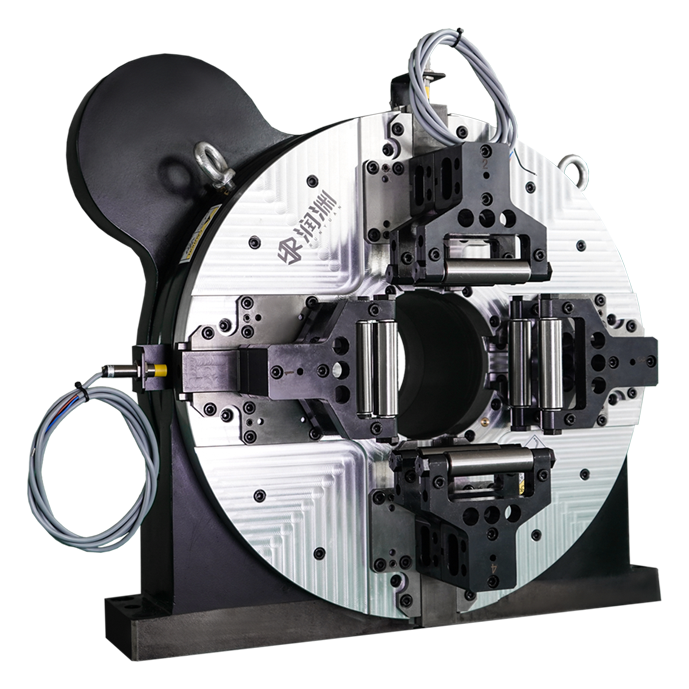
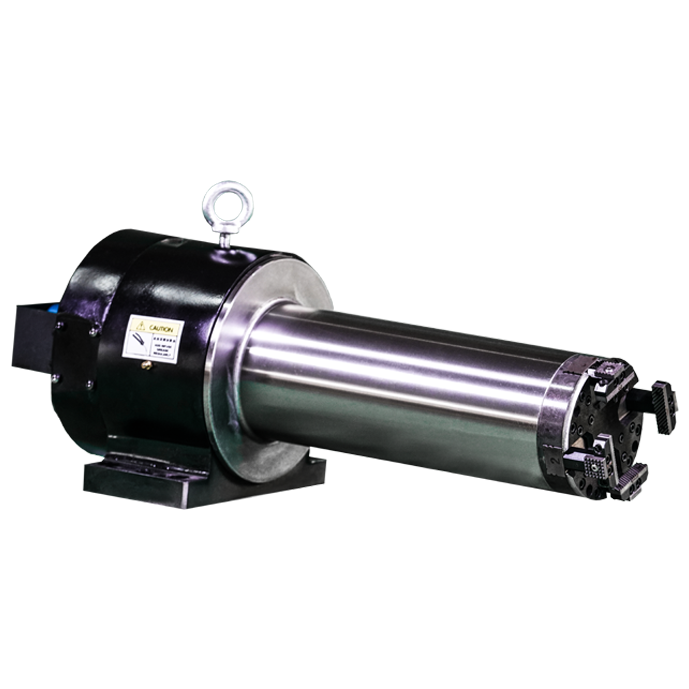
Currently from China, the brands "Runyuan" and "Dairuike" is a good brand for the precision chucks especially for the heavy duty and high speed running etc.
In conclusion, choosing a high-quality pipe (tube) laser cutting machine requires a comprehensive evaluation of multiple factors, including a reliable CNC control system, premium core components, and extensive application experience in tube cutting technology
Do not hesitate to give us a call or drop off a message if you have any question.
 English
 русский
 français
 Deutsch
 Español