Aug 27 , 2026
Brass is widely used in modern manufacturing because of its excellent electrical conductivity, corrosion resistance, durability, and attractive appearance. However, processing brass sheets can be challenging due to the material’s high reflectivity and thermal conductivity. Choosing the right brass sheet cutting machine is essential to achieve accurate cuts, smooth edges, and stable production efficiency.
A fiber laser cutting machine has become an effective solution for brass sheet fabrication because it provides high precision, flexible processing capability, and reduced material waste. From electrical components to decorative metal products, manufacturers in different industries rely on advanced laser cutting technology to produce complex brass parts with consistent quality.
This article explains how a brass sheet laser cutting machine works, its main features, manufacturing advantages, industrial applications, and the factors businesses should consider when selecting the right equipment.
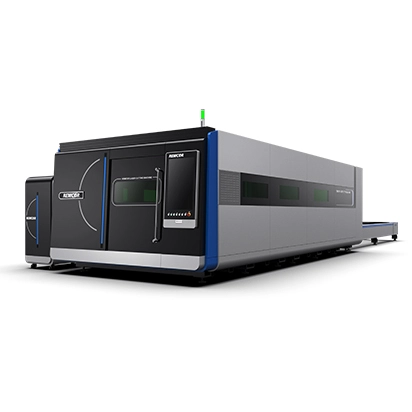
A brass sheet cutting machine is specialized equipment designed to cut brass plates or sheets into precise shapes using advanced cutting technology. Among different cutting methods, fiber laser cutting is widely used for brass processing because it offers high accuracy and efficient energy transmission.
The working principle is based on directing a concentrated laser beam onto the brass surface. The laser energy melts or vaporizes the material along the programmed cutting path, while an assist gas removes the molten metal and creates a clean cutting edge.
Because brass is a reflective metal, cutting performance depends on proper machine configuration, laser parameters, and protection technology. A professionally designed laser cutting system helps maintain stable operation while reducing risks associated with reflective materials.
Modern CNC laser cutting machines also allow manufacturers to create complex designs directly from digital drawings. This makes them suitable for both customized production and large-scale manufacturing.
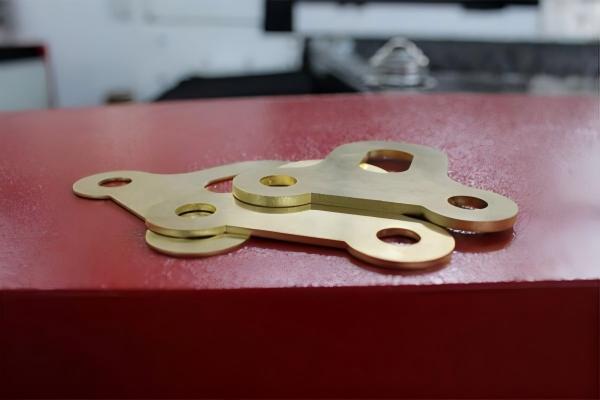
A reliable brass sheet laser cutting machine should provide more than basic cutting capability. For industrial applications, manufacturers need equipment that combines precision, efficiency, and operational stability.
| Feature | Manufacturing Advantage |
|---|---|
| Fiber laser technology | Suitable for processing reflective metals such as brass with high cutting efficiency |
| CNC control system | Enables accurate cutting paths and repeatable production quality |
| Precision motion structure | Improves cutting accuracy for detailed and complex designs |
| Flexible automation options | Supports higher productivity and reduced manual operation |
| Optimized cutting parameters | Helps achieve cleaner edges and stable cutting performance |
One of the biggest advantages of laser technology is its ability to produce detailed shapes with excellent dimensional accuracy. This is especially important for industries requiring small components, fine patterns, or customized designs.
A modern brass cutting machine can support different production volumes, from prototype manufacturing to continuous industrial processing. Manufacturers can adjust machine configurations based on material thickness, production speed requirements, and application goals.
Since brass reflects a significant amount of laser energy, equipment designed for brass processing requires appropriate technical solutions. Advanced laser cutting systems help improve operational reliability when working with reflective alloys.
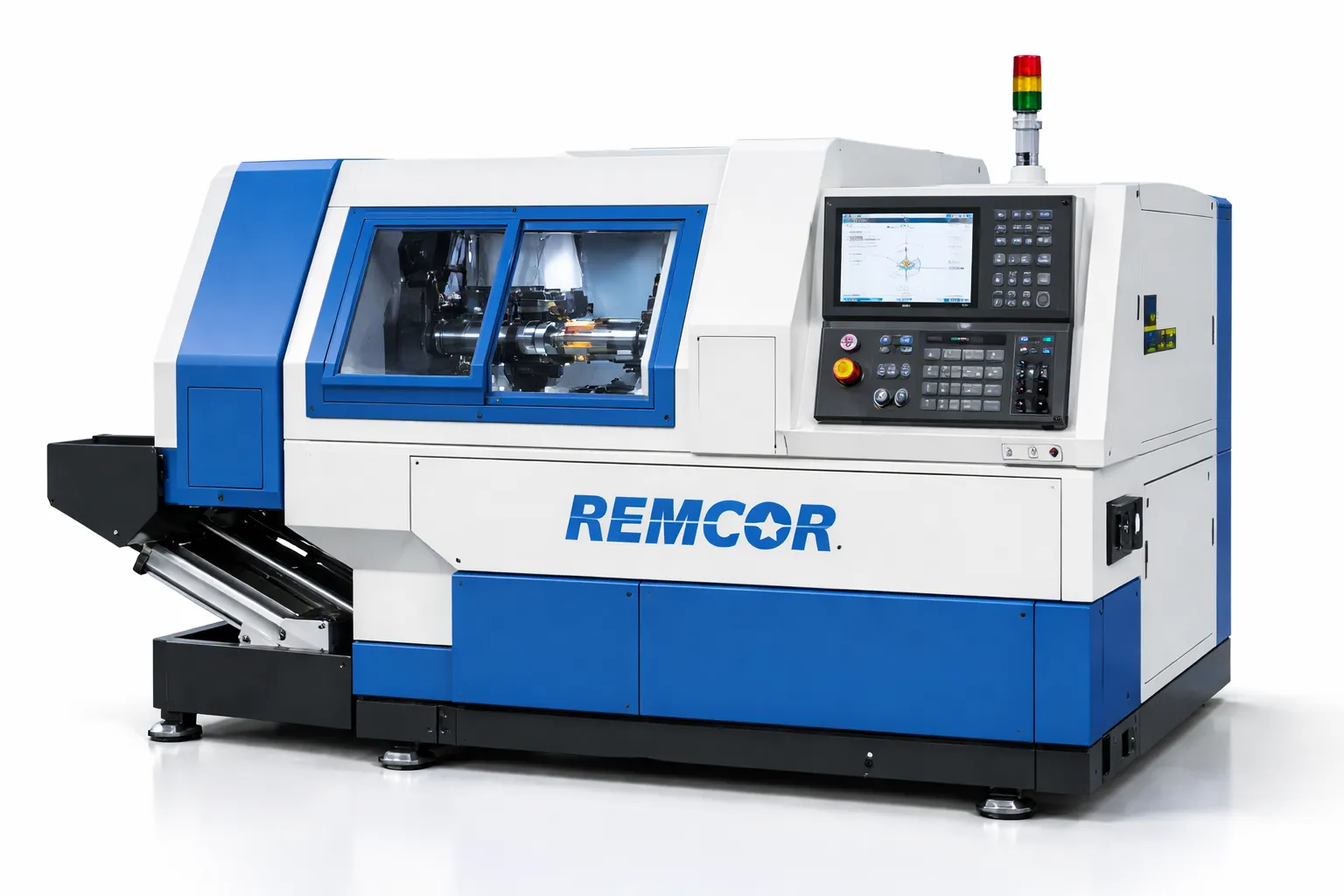
REMCOR provides professional laser cutting solutions for various metal fabrication requirements. Manufacturers can explore different configurations through the laser cutting machine solutions page.
Compared with traditional cutting methods, laser processing provides several advantages for brass fabrication. These benefits help manufacturers improve productivity while maintaining consistent product quality.
Laser cutting creates precise cutting paths controlled by CNC systems. This allows manufacturers to produce complex brass parts with fewer dimensional errors and reduced secondary processing requirements.
Because laser cutting uses optimized digital designs and narrow cutting paths, manufacturers can improve material utilization. This is especially valuable when processing expensive materials such as brass.
A fiber laser cutting system can process brass sheets efficiently without requiring dedicated cutting tools for different designs. This reduces preparation time and makes customized production easier.
From single prototypes to batch production, laser cutting technology provides flexibility for different manufacturing scenarios. Companies can quickly adjust designs without major equipment changes.
Due to its appearance, conductivity, and corrosion resistance, brass is used across many industries. A high-quality brass sheet cutting machine helps manufacturers create accurate and customized brass components for different applications.
Brass is commonly used for electrical terminals, connectors, conductive parts, and precision components because of its excellent conductivity. Laser cutting helps produce these parts with accurate dimensions and reliable quality.
Brass is popular in interior decoration, signage, and architectural projects because of its premium appearance. Laser cutting allows manufacturers to create decorative panels, patterns, screens, and customized designs.
Many industrial machines require customized brass parts with specific dimensions. Laser cutting provides an efficient method for producing these components with consistent accuracy.
Manufacturers producing customized products benefit from laser technology because it supports quick design changes and small-batch production without complicated tooling requirements.
Selecting the right brass sheet cutting machine requires evaluating both current production requirements and future business needs. The cheapest option is not always the most cost-effective choice. A suitable machine should provide reliable performance and match the company’s manufacturing goals.
Key factors to consider include:
Material thickness: Choose equipment according to the thickness range of brass sheets you regularly process.
Production volume: High-volume manufacturers may benefit from higher-power machines and automation features.
Cutting accuracy requirements: Precision industries require stable machine structures and advanced control systems.
Working area: Select a cutting size that matches your common sheet dimensions.
Technical support: Reliable service and engineering support help reduce production downtime.
Before purchasing, manufacturers should evaluate their application requirements and discuss suitable configurations with experienced suppliers. REMCOR works with customers to provide customized laser cutting solutions for different industrial applications.
For specific machine recommendations or application consultation, you can contact REMCOR’s technical team to discuss your brass cutting requirements.
A brass sheet laser cutting machine provides manufacturers with an efficient and precise solution for processing reflective metal materials. With advantages such as high accuracy, flexible production capability, and reduced material waste, laser technology has become an important choice for modern brass fabrication.
When selecting a brass sheet cutting machine, businesses should consider material requirements, production volume, machine capability, and long-term operating value. Choosing the right equipment configuration helps manufacturers improve productivity and achieve consistent cutting quality across different applications.
With professional laser cutting technology and customized solutions, REMCOR supports manufacturers looking for reliable metal processing equipment for brass and other industrial materials.
Yes. Fiber laser cutting machines can cut brass sheets effectively when the machine configuration and cutting parameters are properly optimized.
Fiber laser technology is commonly used for brass cutting because it provides high precision and efficient processing for reflective metals.
Brass laser cutting machines are used in electrical manufacturing, architectural decoration, industrial equipment, and customized metal fabrication.
Consider brass thickness, production volume, accuracy requirements, working area, automation needs, and supplier support before making a decision.
 English
 русский
 français
 Deutsch
 Español