Jul 30 , 2026
A perfectly manufactured component can still fail to deliver reliable performance if its surface condition is not properly controlled. In industries where welding strength, coating adhesion, electrical performance, and component durability depend on surface quality, cleaning is no longer just a preparation step—it has become a precision engineering process.
Rust, oxidation, oil films, paint residues, and unwanted coatings may appear as minor surface issues, but they can significantly affect manufacturing accuracy and product reliability. Traditional cleaning methods can remove these contaminants, yet they may also introduce challenges such as surface wear, chemical waste, inconsistent results, and additional processing steps. This has encouraged manufacturers to seek a more precise and controllable approach to surface treatment.
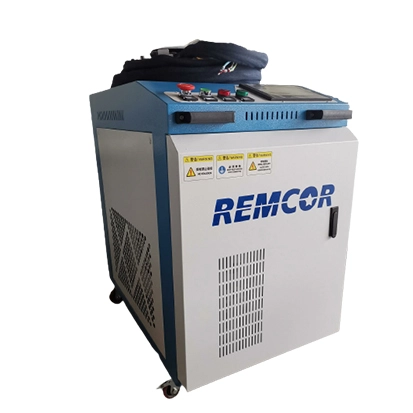
This is where the fiber laser cleaner is transforming industrial cleaning processes. By using accurately controlled laser energy, this technology can remove unwanted materials from surfaces while preserving the original substrate. Compared with conventional methods, a fiber laser cleaning machine provides a cleaner, more flexible, and more efficient solution for modern manufacturing environments that require high precision and repeatable results.
From automotive manufacturing and aerospace maintenance to metal fabrication and precision equipment processing, laser cleaning technology is becoming an important part of advanced production systems. Companies exploring suitable laser solutions can review REMCOR Technology’s range of fiber laser cleaning products to understand how different equipment configurations support various industrial applications.
The working principle of a fiber laser cleaner is based on selective energy absorption. Different materials absorb laser energy in different ways. Contaminants such as rust, oxide layers, grease, paint, and surface deposits usually respond differently to laser irradiation compared with the underlying material.
When the laser beam reaches a contaminated area, the absorbed energy causes the unwanted layer to rapidly heat, evaporate, or detach from the surface. Because the laser parameters can be precisely controlled, the process can focus on removing contamination without significantly affecting the base material.
Unlike mechanical cleaning methods that depend on physical friction, laser cleaning is a non-contact process. This eliminates direct abrasion between tools and components, reducing the possibility of scratches, deformation, or unnecessary material loss. For precision parts with strict dimensional requirements, this advantage makes laser cleaning especially valuable.
A modern fiber laser cleaning machine achieves this level of control through adjustable operating parameters, including laser power, scanning speed, pulse frequency, and beam movement pattern. These settings allow manufacturers to optimize cleaning performance based on material characteristics, contamination type, and production requirements.
For example, removing a thin oxide layer from a precision metal component requires different energy settings compared with eliminating heavy corrosion from industrial structures. The flexibility of laser technology allows the same cleaning principle to be adapted for different applications while maintaining surface protection.
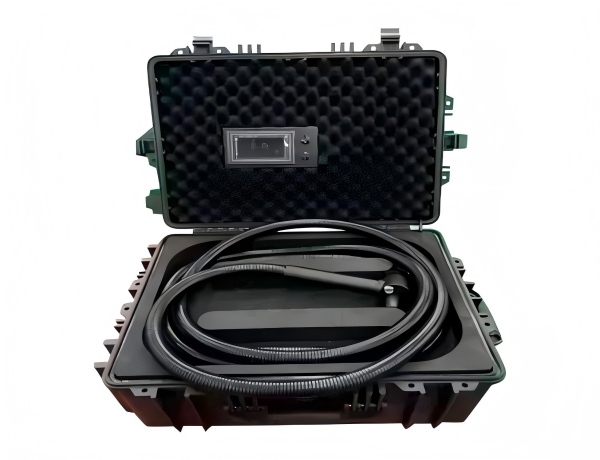
The effectiveness of a fiber laser cleaner depends on how accurately different technical parameters are adjusted. In real industrial environments, cleaning performance is determined not only by laser power but also by the interaction between multiple operating factors.
| Parameter | Influence on Cleaning Performance | Industrial Application Consideration |
|---|---|---|
| Laser Power | Determines the amount of energy available for removing difficult contaminants | Higher power is suitable for thick rust, coatings, and larger treatment areas |
| Scanning Speed | Affects cleaning efficiency and heat distribution | Proper adjustment helps achieve uniform results while protecting the surface |
| Pulse Frequency | Controls how laser energy is delivered to the contamination layer | Important for precision cleaning of sensitive components |
| Beam Control | Influences cleaning accuracy and coverage consistency | Supports stable performance in automated manufacturing processes |
Selecting the correct parameters is essential because different contaminants and materials react differently to laser energy. A solution designed for removing oil contamination from machinery components may not be suitable for delicate electronic parts or high-value aerospace materials.
Modern fiber laser cleaning machine systems increasingly integrate intelligent control features that simplify parameter adjustment and improve repeatability. These improvements allow operators to achieve stable cleaning quality while reducing dependence on manual experience.
The main difference between a fiber laser cleaning machine and traditional cleaning equipment is the level of precision and control provided during the treatment process. Conventional approaches such as chemical cleaning, abrasive blasting, and manual polishing remain useful in certain situations, but they often involve additional materials, labor requirements, or surface impact.
| Cleaning Method | Advantages | Limitations |
|---|---|---|
| Fiber Laser Cleaning | Non-contact processing, precise control, reduced consumable usage, surface protection capability | Requires proper parameter selection for different applications |
| Chemical Cleaning | Effective for removing various contaminants from complex surfaces | May require chemical management and waste treatment |
| Abrasive Cleaning | Strong ability to remove heavy coatings and corrosion | Can create abrasive waste and affect surface conditions |
| Manual Cleaning | Flexible for small-scale maintenance tasks | Labor intensive and difficult to standardize |
A fiber laser cleaner provides a different approach by delivering energy directly to contamination areas without physical contact. This makes it suitable for applications where maintaining the original surface structure is as important as removing unwanted materials.
The reduced dependence on chemicals and consumables also supports cleaner production goals. Manufacturers can improve workplace conditions while reducing waste associated with traditional cleaning processes.
The application scope of the fiber laser cleaning machine continues to expand as manufacturers focus on automation, efficiency, and quality control. Laser cleaning is no longer limited to repair operations; it is becoming part of complete manufacturing workflows.
In automotive production, laser cleaning can prepare welding surfaces, remove coatings from selected areas, and improve bonding performance. A cleaner surface helps create more reliable connections and supports consistent production quality.
In aerospace industries, where components require strict maintenance standards, laser cleaning provides a controlled way to remove oxidation and contamination without aggressive mechanical treatment. This helps protect valuable components and maintain their designed performance.
Precision manufacturing sectors such as electronics and advanced metal processing also benefit from laser cleaning because surface contamination can influence assembly accuracy and product reliability. By providing controlled surface preparation, laser technology helps manufacturers improve downstream processes.
For industrial maintenance applications, portable laser cleaning solutions offer additional flexibility. Operators can treat equipment surfaces directly, reducing downtime caused by dismantling, transportation, or extensive manual cleaning procedures.
Modern manufacturing requires cleaning methods that achieve two goals at the same time: removing contamination effectively and preserving the original material. This balance has become increasingly important as components become more precise and expensive.
A fiber laser cleaning machine supports this requirement by selectively targeting unwanted surface layers while minimizing unnecessary impact on the substrate. This approach helps maintain component dimensions, surface finishes, and functional properties.
Surface protection also influences later manufacturing stages. Proper cleaning can improve coating adhesion, welding performance, bonding reliability, and inspection accuracy. Therefore, laser cleaning contributes to overall production quality rather than functioning as an isolated cleaning step.
The next stage of laser cleaning development is closely connected with intelligent control technology. Advanced software systems, automated scanning functions, and digital monitoring capabilities are improving the usability and consistency of modern laser equipment.
Through intelligent control, a fiber laser cleaner can achieve more accurate energy distribution and more stable processing results. This is particularly important for manufacturers that require repeatable quality across multiple production cycles.
The combination of laser technology with automation is also opening new possibilities. Future cleaning systems are expected to become more integrated with robotic platforms, smart factories, and digital manufacturing networks.
For companies evaluating laser cleaning applications, professional technical support can help determine the right equipment configuration based on material type, contamination condition, and production objectives. Businesses can connect with REMCOR Technology through the technical consultation to discuss specific application requirements.
The fiber laser cleaner represents a major advancement in industrial surface treatment by combining precision energy control, efficient contaminant removal, and improved surface protection. Instead of relying on aggressive mechanical or chemical methods, manufacturers can use controlled laser technology to achieve cleaner surfaces while preserving component integrity.
As manufacturing continues moving toward automation, sustainability, and higher quality standards, the fiber laser cleaning machine will play an increasingly important role across industries. Its ability to provide accurate, repeatable, and environmentally responsible cleaning makes it a valuable solution for modern surface treatment challenges.
A fiber laser cleaner is mainly used for removing rust, oxidation, paint, oil, grease, coatings, and other unwanted surface contaminants from industrial components.
It uses controlled laser energy to selectively heat and separate contaminants from the surface while minimizing impact on the base material.
When correctly configured, fiber laser cleaning removes contaminants without physical contact, helping protect the original surface structure.
Automotive, aerospace, electronics, metal fabrication, and industrial maintenance industries commonly use fiber laser cleaning technology.
Laser cleaning reduces the need for chemical cleaners and abrasive materials, which helps lower waste generation and improve workplace conditions.
Companies should evaluate material type, contamination level, cleaning requirements, automation needs, and technical support when selecting equipment.
This is the first one.
 English
 русский
 français
 Deutsch
 Español