Feb 03 , 2026
Yes, laser cleaning machines really work, and they are now widely recognized as one of the most advanced and effective surface treatment technologies in modern industry. From heavy rust removal to precise paint stripping, laser cleaning has proven its reliability in automotive manufacturing, metal fabrication, shipbuilding, mold maintenance, aerospace, and steel structure production.
Whether used as a laser rust cleaning machine, fiber laser cleaner, or laser paint stripping machine for sale, laser cleaning delivers superior efficiency, precision, and environmental benefits compared with traditional cleaning methods.
The Laser Cleaning Machine video can be seen here
CW stands for Continuous Wave.
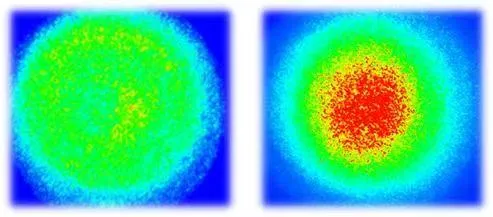
A CW laser source emits laser energy continuously at a stable and constant power level. In a fiber laser cleaner, CW laser sources are typically used for high-power industrial cleaning applications, with common power ranges from 1000W, 1500W, 2000W, up to 3000W.
Continuous and stable laser output
High average power
Strong thermal effect on rust, paint, and coatings
High cleaning speed and large cleaning width
Suitable for long-time continuous operation
Because of these features, CW technology is widely applied in laser cleaning machines for rust removal, laser cleaner rust removal, and laser paint stripping machines for sale, especially where efficiency and productivity are required.
A pulse laser source emits laser energy in short, high-energy pulses instead of continuous output. Each pulse has very high peak power but extremely short duration, which allows precise cleaning with minimal heat transfer to the base material.
Pulse laser cleaning machines typically operate at lower average power levels, such as 50W, 100W, 200W, 300W, and 500W.
Ultra-short laser pulses
Very high peak power
Minimal thermal impact on substrate
Excellent cleaning precision
Slower cleaning speed compared with CW lasers
Pulse laser technology is commonly used in 100W laser cleaning machines, fiber laser cleaners, and applications where customers are concerned about surface damage. Many buyers searching for 100W rust cleaning laser price or handheld laser cleaning machine are targeting pulse laser systems for light rust removal, mold cleaning, or delicate components.
CW laser source: best for heavy rust removal, paint stripping, and large-area industrial cleaning
Pulse laser source: best for precision cleaning, thin coatings, and sensitive materials
Both technologies are essential parts of modern laser rust cleaning machine solutions, and the right choice depends on the application requirements
Traditional cleaning methods such as sandblasting, chemical cleaning, wire brushing, or grinding have been used for decades, but they also have many limitations. Laser cleaning offers a modern and more efficient alternative.
Non-contact process – no mechanical stress on the base material
No consumables required – no sand, chemicals, or solvents
Environmentally friendly – no secondary pollution or hazardous waste
High precision – removes only rust, paint, or coating layers
Lower long-term cost – reduced labor and maintenance
Flexible operation – handheld or automated integration
These advantages explain why more companies are choosing portable laser rust removal machines for sale and handheld laser cleaning machines for rust removal instead of traditional solutions.
Laser cleaning works based on the principle of laser–material interaction.
When the laser beam is directed onto the surface:
Rust, paint, oil, or coating absorbs the laser energy
The contaminant layer heats rapidly
Thermal expansion, vaporization, or micro-peeling occurs
The bond between contamination and base metal breaks
The contamination is removed, leaving clean metal behind
Since rust and paint absorb laser energy more efficiently than metal, fiber laser rust removal is both effective and safe, without damaging the substrate.
High-power CW laser systems are designed for industrial-level cleaning tasks.
Heavy rust removal on carbon steel
Paint stripping from metal surfaces
Significantly faster than a 1000W laser cleaner
Suitable for medium to large workpieces
Higher cleaning speed and wider cleaning width
Ideal for steel structures and thick rust layers
Stable continuous operation for industrial environments
Maximum efficiency for large-area cleaning
Excellent for shipyards, bridges, and heavy equipment
Easy integration into automated production lines
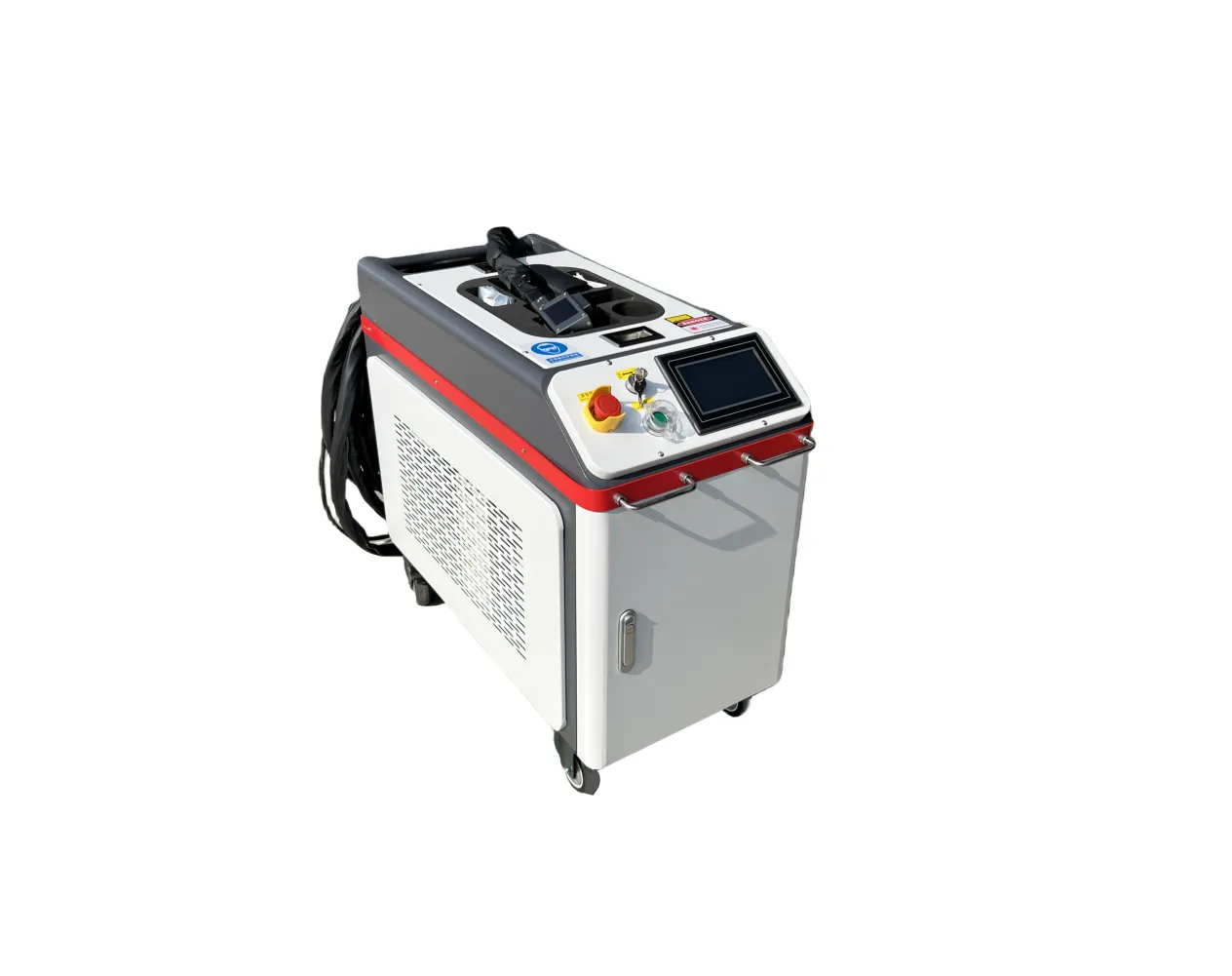
All models can be designed as handheld laser cleaning machines or trolley-type systems, depending on customer requirements.
In addition to CW systems, pulse laser cleaning machines are widely used for precision applications.
Laser energy is released in ultra-short pulses
Very high peak power with minimal heat input
Extremely precise and controlled cleaning
50W, 100W, 200W
300W, 500W
Customers searching for 100W rust cleaning laser price or 100W laser cleaning machine usually focus on light rust removal, mold cleaning, electronics, or delicate surfaces. Pulse laser cleaners clean more slowly than CW systems but offer superior precision.
Choosing the right laser cleaning solution depends on your application:
CW laser cleaner
Best for heavy rust removal and paint stripping
Large-area cleaning
High speed and industrial efficiency
Pulse laser cleaner
Best for precision and delicate surfaces
Minimal thermal impact
Suitable for molds, electronics, and fine parts
Both technologies play an important role in the laser rust cleaning machine market.
If you are looking for a reliable laser cleaning machine, our company is a professional supplier specializing in laser cleaning solutions.
CW and pulse fiber laser cleaner systems
Different structures: portable, handheld, trolley type
Different cooling methods: air-cooled and water-cooled
Different designs for industrial and precision applications
Stable quality and international market experience
We also offer competitive prices, helping customers balance performance and investment. Whether you are comparing portable laser cleaning machine price, rust cleaning laser price, or complete industrial systems, we can provide the right solution for your needs.
So, do laser cleaning machines really work?
Yes—without any doubt.
Modern laser rust cleaning machines, laser cleaning machines for rust removal, and laser paint stripping machines for sale deliver proven performance, high efficiency, and excellent environmental benefits. From 100W pulse laser cleaning machines to 3000W CW fiber laser cleaners, laser cleaning technology has become the future of surface treatment.
 English
 русский
 français
 Deutsch
 Español