Apr 03 , 2025
Learn how to choose the right CNC laser cutting machine for your business. Explore types of CNC laser cutting machines, key features, and expert tips from leading China CNC laser cutting machine manufacturers to improve efficiency and production quality
With the rapid development of the manufacturing industry, the application of CNC laser cutting machines in industrial production has become increasingly widespread. Whether sourced from global brands or trusted China CNC laser cutting machine manufacturers, selecting the right equipment is essential for improving production efficiency, ensuring product quality, and maintaining long-term competitiveness.
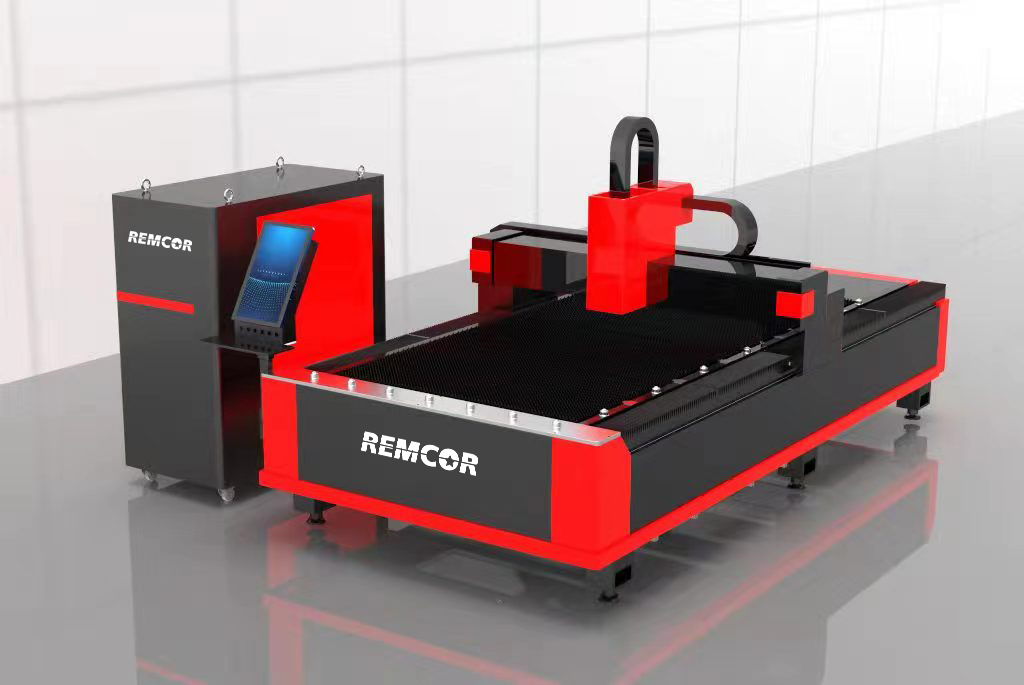
Operating a CNC laser cutting machine requires both technical knowledge and hands-on experience. When purchasing from a reliable laser machine factory, companies should evaluate not only the equipment but also their team’s readiness. Proper training should include machine operation, CNC programming, process optimization, and routine maintenance to maximize machine performance.
Beyond operators, a skilled technical support team is crucial. This includes engineers capable of handling programming adjustments, diagnosing issues, and performing maintenance. A strong support system ensures that any downtime is minimized, keeping production stable and efficient.
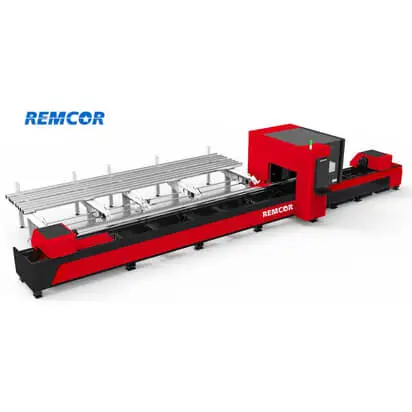
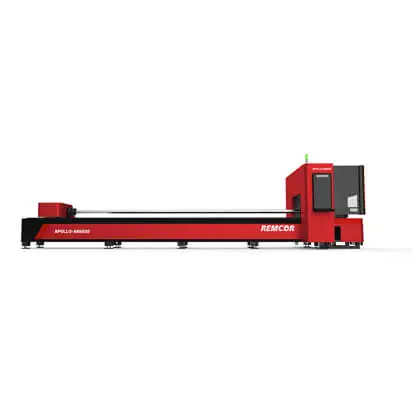
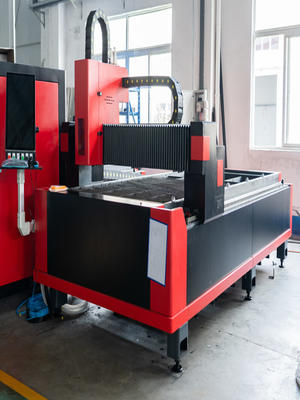
There are several types of CNC laser cutting machine, including fiber laser, CO₂ laser, plasma cutting, and waterjet systems. Each type offers distinct advantages depending on material type, thickness, and precision requirements. For example, fiber laser machines are ideal for high-speed metal cutting, while CO₂ lasers are suitable for non-metal applications.
When evaluating a CNC laser metal cutting machine for sale, businesses should prioritize advanced features such as high-speed cutting, auto-focus cutting heads, and intelligent nesting software. These technologies improve efficiency, reduce material waste, and ensure consistent cutting quality.
The software system plays a critical role in productivity. A user-friendly interface with powerful functions like automatic path optimization, simulation, and real-time monitoring can significantly reduce operator learning time and improve workflow efficiency.
Investing in a CNC laser cutting machine goes beyond the initial purchase. Companies should establish a structured maintenance plan, including regular inspections, calibration, and part replacement. This helps extend machine lifespan and ensures consistent performance.
Modern CNC systems are equipped with data collection and analytics features. By leveraging production data, businesses can optimize cutting parameters, reduce errors, and continuously improve production efficiency.
Key performance factors include cutting speed, precision, stability, and thickness capacity. Choosing a machine with the right specifications ensures that production requirements are met without unnecessary overinvestment.
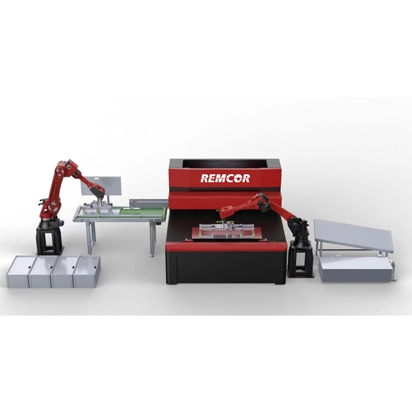
Compatibility with existing production lines and automation systems is another critical factor. Machines that integrate easily into current workflows can reduce setup time and avoid costly modifications.
Selecting a trustworthy supplier—especially among leading China CNC laser cutting machine manufacturers—ensures access to comprehensive after-sales services. These include installation, training, technical support, and regular maintenance, all of which are essential for long-term operation.
A dependable supplier should provide fast and cost-effective spare parts support. This minimizes downtime and ensures that production can resume quickly in case of component wear or failure.
Choosing the right CNC laser cutting machine is a strategic decision that impacts productivity, quality, and profitability. By carefully evaluating talent development, understanding the types of CNC laser cutting machine, selecting advanced technology, and working with reliable China CNC laser cutting machine manufacturers, businesses can invest in a solution that truly meets their needs.
A well-selected CNC laser metal cutting machine for sale not only enhances operational efficiency but also positions companies for sustainable growth in an increasingly competitive manufacturing landscape.
 English
 русский
 français
 Deutsch
 Español