Apr 01 , 2025
Compare fiber laser, CO₂ laser, and plasma cutting technologies. Discover differences in precision, speed, cost, and applications to choose the best CNC cutting solution for your manufacturing needs.
Choosing the right cutting technology is critical for manufacturing efficiency, cost control, and product quality. The three most widely used technologies—fiber laser, CO₂ laser, and plasma cutting—each serve different purposes depending on materials, precision requirements, and budget.
| Best For | Metal cutting (steel, stainless, aluminum) | Non-metals (wood, acrylic, plastics) | Thick metals, rough cutting |
| Precision | ⭐⭐⭐⭐⭐ (very high) | ⭐⭐⭐⭐ (high) | ⭐⭐ (medium-low) |
| Cutting Speed | ⭐⭐⭐⭐⭐ (fastest for thin metals) | ⭐⭐⭐ (moderate) | ⭐⭐⭐⭐ (fast for thick metal) |
| Material Range | Metals only (incl. reflective metals) | Non-metals + some thin metals | Conductive metals only |
| Edge Quality | Smooth, minimal post-processing | Smooth on non-metals | Rough edges, requires finishing |
| Heat Affected Zone | Very small | Moderate | Large |
| Operating Cost | Low (energy-efficient, low maintenance) | Medium | Low initial, higher consumables |
| Machine Cost | High (industrial investment) | Medium | Low to medium |
| Automation Level | ⭐⭐⭐⭐⭐ (CNC + smart systems) | ⭐⭐⭐⭐ | ⭐⭐⭐ |
| Typical Use | Industrial manufacturing | Signage, crafts, light industry | Heavy fabrication |
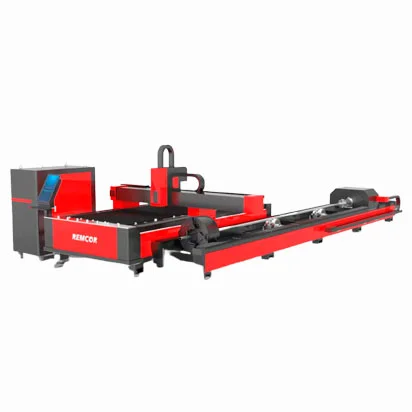
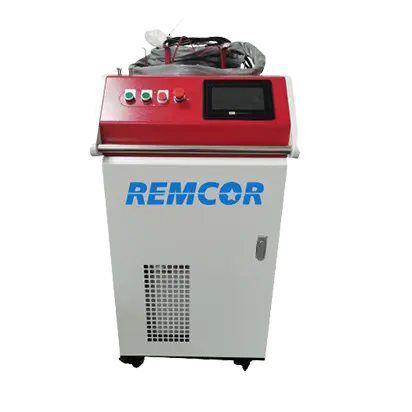
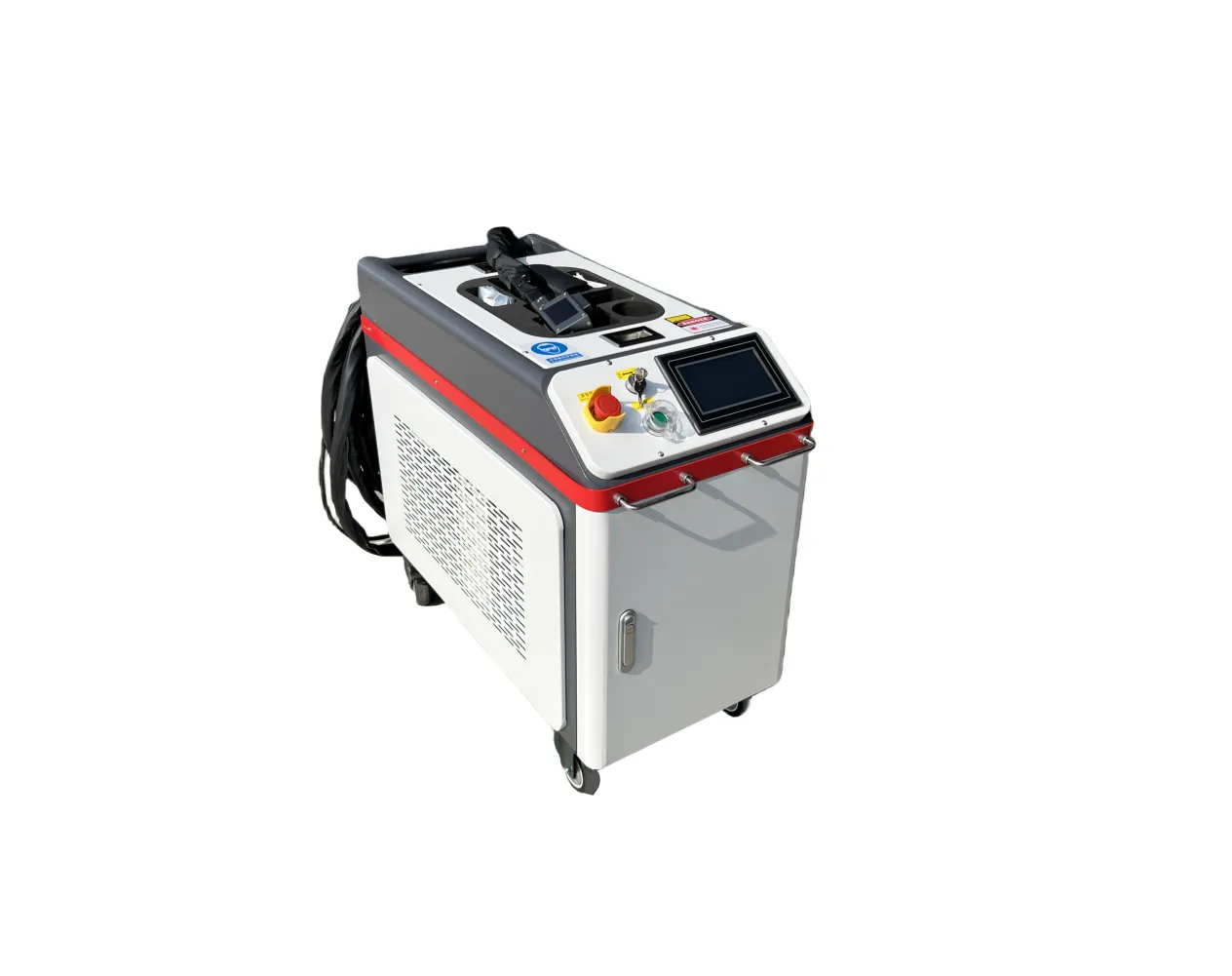
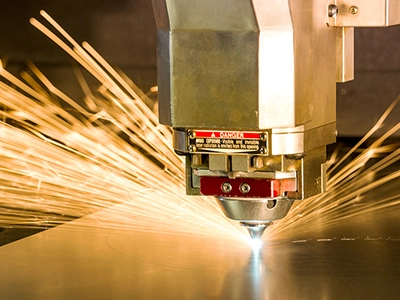
Fiber lasers represent the most advanced cutting technology today. They deliver higher speed, better energy efficiency, and superior precision, especially for thin-to-medium metal sheets.
Advantages:
Extremely high precision (micron-level)
Up to 3× faster than CO₂ for thin metals
Low maintenance (solid-state design)
Ideal for automation and mass production
Best for:
✔ Sheet metal fabrication
✔ Automotive & aerospace
✔ High-volume industrial production
CO₂ lasers are highly versatile for non-metal materials and remain popular in signage, decoration, and light manufacturing.
Advantages:
Excellent for wood, acrylic, plastic, glass
Lower initial investment than fiber lasers
Good engraving capabilities
Limitations:
Slower on metals
Higher maintenance (mirrors, gas system)
Best for:
✔ Advertising & signage
✔ Furniture & decoration
✔ Small business / workshops
Plasma cutting is a cost-effective solution for cutting thick conductive metals, especially when ultra-high precision is not required.
Advantages:
Lower equipment cost
Fast cutting on thick plates
Simple operation
Limitations:
Lower precision
Rough edges (needs secondary processing)
Larger heat-affected zone
Best for:
✔ Heavy industry
✔ Steel fabrication
✔ Construction equipment
Choose Fiber Laser if:
You need high precision, speed, and automation for metal cutting (best long-term ROI)
Choose CO₂ Laser if:
You mainly process non-metal materials or need engraving capability
Choose Plasma if:
You need a low-cost solution for thick metal cutting with less precision
For most modern manufacturers, fiber laser cutting machines are becoming the dominant choice due to their unmatched combination of speed, precision, and efficiency. However, CO₂ and plasma technologies still play essential roles depending on application and budget.
 English
 русский
 français
 Deutsch
 Español