Jun 26 , 2026
In the fast-paced world of industrial manufacturing, the precision and speed of your CNC sheet metal cutting machine are the defining factors of your production capacity. As manufacturers look to optimize their metal fabrication lines, the decision between open-type and enclosed-type systems has become increasingly critical.
For businesses specifically seeking a reliable MS sheet cutting machine, understanding the technical and operational differences between these two designs is the first step toward a smarter investment. This guide breaks down the design, characteristics, and strategic considerations to help you select the ideal machine for your factory floor.
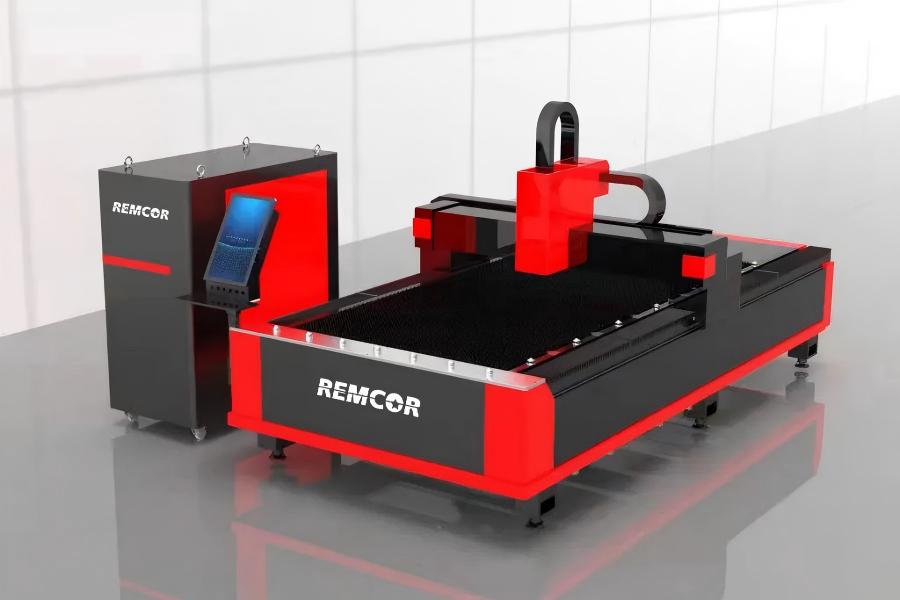
The primary distinction between these two systems lies in the architecture of the cutting zone. An open-type machine exposes the cutting area, prioritizing accessibility and ease of manual loading for oversized or irregularly shaped workpieces.
In contrast, an enclosed-type CNC sheet metal cutting machine features a fully protected housing. This enclosure is not merely for aesthetics; it transforms the cutting area into a controlled, safe, and clean environment. By isolating the laser source and the cutting process, enclosed systems shift the focus toward automated safety and environmental management, a necessity for modern industrial facilities.
Open-type systems are widely valued for their simplicity and operational transparency. Because there is no outer housing, operators have unobstructed access to the worktable from all sides, making them highly versatile for custom, one-off projects.
Versatility: These machines excel in environments where production requires frequent manual intervention or where the material dimensions vary greatly.
Cost Efficiency: With a streamlined design, open-type models often require a lower initial capital investment, making them a common entry point for smaller workshops.
Material Handling: They are particularly effective for processing non-standard, long, or heavy plates that might be difficult to load into a standard enclosed chamber.
Enclosed-type machines are the standard for high-efficiency, industrial-scale production. By containing the processing zone, these machines address the core challenges of noise, smoke, and safety hazards, creating a more sustainable workplace.
Automated Productivity: Most enclosed systems come with an exchange table, allowing for simultaneous loading and cutting to achieve near-continuous operation.
Environmental Control: The enclosure traps smoke and particulates, which, when paired with an extraction system, keeps the workshop air significantly cleaner.
Safety Standards: By acting as a Class 1 protective barrier, these machines limit the need for specialized external safety zoning, making them ideal for high-volume, continuous manufacturing environments.
Choosing the right MS sheet cutting machine requires an honest assessment of your production volume and safety regulations. If your facility focuses on bespoke, low-volume fabrication, an open-type machine provides the necessary agility. However, for manufacturers scaling their output, the efficiency of the enclosed exchange-table system is hard to ignore.
When comparing the two, consider the "total cost of ownership." While the enclosed system carries a higher initial price, the long-term gains in worker safety, reduced secondary processing, and faster turnaround times often translate into a more favorable ROI. A balanced approach—analyzing your daily throughput against your floor space—is the key to a profitable decision.
To help you weigh these factors, the following table summarizes how these structural choices impact your daily operations:
| Feature | Open-Type Single Table | Enclosed-Type Exchange Table |
|---|---|---|
| Safety Level | Requires external zoning | Integrated Class 1 protection |
| Operational Workflow | Manual, frequent stop-start | Continuous, automated exchange |
| Environment | Higher smoke/noise exposure | High cleanliness with exhaust |
| Ideal Application | Small batches, custom sizing | High-volume industrial production |
As shown in the table above, the most significant divergence lies in the Operational Workflow. For workshops moving toward higher throughput, the "Continuous, automated exchange" of the enclosed system effectively eliminates the "frequent stop-start" cycle inherent in open systems. By mapping your specific shop floor constraints against these performance metrics, you can clearly identify which machine configuration aligns with your long-term growth objectives.
With 18 years of manufacturing expertise, Wuhan Remcor Technology has established itself as a leading CNC laser cutting machine supplier. We maintain rigorous stability by utilizing top-tier global components and producing our own machine beds, ensuring our systems excel in cutting intricate shapes and small holes with high accuracy.
As a trusted OEM partner for top brands in China with a growing global footprint, we specialize in providing highly customized MS sheet cutting machine solutions tailored to your unique vision. With over 5000 successful installations, our engineering team manages the entire process—from production to on-site debugging—to ensure your equipment operates at peak efficiency. Explore our range of laser cutting machines or contact our engineering team to discuss a customized solution for your factory.
The decision between open and enclosed designs centers on your specific operational goals. Open-type systems offer unparalleled flexibility for custom metal fabrication, while enclosed systems deliver the automation and safety essential for high-volume manufacturing. By carefully evaluating your production volume and safety requirements, you can choose the CNC sheet metal cutting machine that best drives your long-term success.
1. Which machine is better for processing thick MS sheets?
Both types can process mild steel effectively, but enclosed systems generally offer better thermal stability, which can result in more consistent edge quality for thicker sheets.
2. Is an enclosed system mandatory for safety?
While not always mandatory, enclosed systems offer higher safety (Class 1) and are highly recommended for busy workshops to prevent exposure to fumes and stray laser radiation.
3. Does the exchange table come with all enclosed machines?
Most industrial enclosed models feature exchange tables to boost efficiency, though configurations can vary based on your specific automation requirements.
4. Can Wuhan Remcor Technology customize my machine?
Yes, with 18 years of experience, we specialize in designing and manufacturing machines tailored to specific industrial needs, including high-efficiency automation for continuous operation.
 English
 русский
 français
 Deutsch
 Español