Jun 28 , 2026
The global automotive landscape is undergoing a profound shift toward electrification. As New Energy Vehicles (NEVs) become the standard for sustainable transportation, the demand for lightweight, high-strength materials has surged. Aluminum has emerged as the primary material of choice for chassis, battery housings, and structural components due to its excellent strength-to-weight ratio.
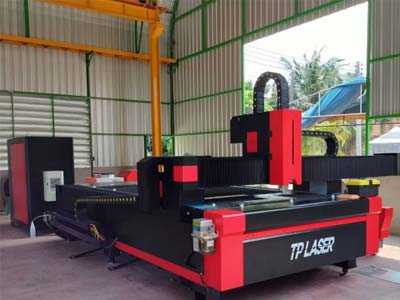
However, fabricating these complex aluminum parts requires specialized technology. The integration of an advanced aluminum laser cutting machine into production lines has become a defining factor for manufacturers aiming to stay competitive. By replacing traditional mechanical stamping and shearing methods, laser technology offers the precision and speed necessary to meet the high-standard requirements of the modern EV industry.
Weight reduction is the single most effective way to extend the driving range of electric vehicles. Every kilogram saved directly correlates to improved battery efficiency and overall vehicle performance. Aluminum provides a robust solution, yet its physical properties—specifically high thermal conductivity and reflectivity—make it a challenging material to process.
Using a high-performance aluminum cutting laser machine allows manufacturers to navigate these material challenges with ease. Unlike mechanical methods that can cause structural distortion or edge burrs, laser cutting provides clean, accurate profiles that maintain the integrity of the aluminum alloy. As NEV designs become increasingly intricate, the ability to execute complex geometries without compromising material strength is essential for engineering safety-critical components like battery frames and crash-absorption structures.
One of the greatest hurdles in aluminum fabrication is the material's high reflectivity. Older cutting technologies often struggled with laser energy reflecting back into the cutting head, which could damage internal components or lead to unstable cutting quality. Modern systems have evolved significantly to address this.
An advanced aluminum laser cutting machine today utilizes optimized optical paths and specialized fiber laser sources that are specifically tuned to handle high-reflectivity materials. This ensures that the laser energy is absorbed efficiently, resulting in a stable melt process. The outcome is a superior edge finish that requires little to no secondary finishing, effectively reducing production time and operational costs. For EV manufacturers, where component consistency is non-negotiable, this level of precision ensures that every part meets the rigorous tolerances demanded by automotive assembly lines.
In the high-volume environment of EV component manufacturing, speed is just as vital as precision. The transition from manual or semi-automated processes to fully integrated laser systems is what differentiates industry leaders from the rest.
By employing a high-speed aluminum cutting laser machine equipped with automated material handling, manufacturers can transition to 24-hour, unmanned production cycles. These automated workflows ensure that downtime is minimized, enabling a consistent flow of components from the raw material stage to final assembly.
| Operational Feature | Traditional Mechanical Cutting | Modern Laser Fabrication |
|---|---|---|
| Edge Quality | Requires secondary finishing | Clean, precision-ready finish |
| Material Flexibility | Limited by tooling shapes | High, handles complex designs |
| Production Speed | Slower (due to tool changes) | Rapid (optimized for high-volume) |
| System Integration | Standalone units | Fully automated, IoT-enabled |
As highlighted in the table above, the shift toward a modern aluminum laser cutting machine represents more than just a tool upgrade; it represents an upgrade to the entire operational logic of the factory. By eliminating the need for expensive, time-consuming molds or specialized stamping dies, laser systems offer the agility required to adapt to rapidly changing vehicle designs.
Electric vehicles are characterized by their compact packaging, especially around the battery management systems. This requires aluminum components to be cut into highly specific, often non-linear shapes that must fit perfectly within confined spaces.
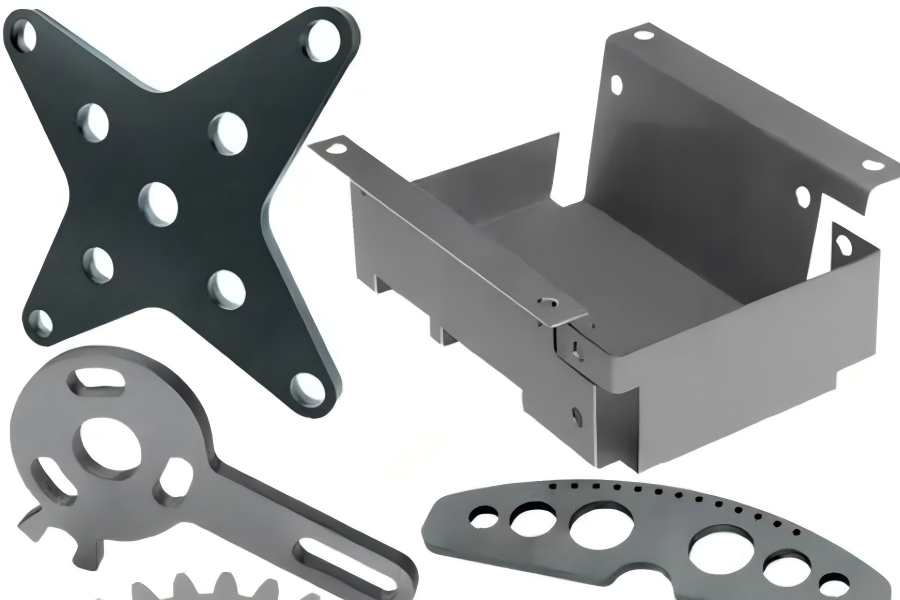
An aluminum cutting laser machine excels in this domain. Whether it is laser-cutting intricate holes for cable management in a battery pack or creating lightweight structural brackets for the vehicle chassis, the laser provides a level of design freedom that traditional methods cannot match. This flexibility allows EV engineers to optimize components for space efficiency without worrying about the limitations of physical cutting blades or presses. Consequently, the time from design prototype to mass production is significantly reduced, helping manufacturers bring new vehicle models to market faster.
At Wuhan Remcor Technology, we recognize that the future of EV manufacturing relies on the synergy between advanced laser hardware and intelligent automation. With 18 years of specialized expertise in the industry, we have successfully deployed over 5000 systems globally, helping manufacturers refine their processes for high-performance aluminum parts.
We understand that an aluminum laser cutting machine must be robust enough to handle continuous, high-speed production while remaining flexible enough for custom, lightweight design requirements. Our laser cutting machines are engineered for high-precision processing of both sheet plates and tubes, providing a versatile solution for the complex geometries found in modern EVs.
Our machines offer a significant leap in productivity—often ten times faster than traditional processing methods—while maintaining exceptional edge quality. For instance, our 3000W power system can efficiently cut 8 mm of aluminum, while our 6000W power cutter expands those capabilities to 16 mm, all with remarkably clean edges. Whether you are fabricating structural chassis components or intricate battery housing parts, we provide the stability and high cost-effectiveness required for the automotive sector. If your team is seeking to integrate smarter, more efficient manufacturing, please contact our engineering team to discuss a customized production plan for your facility.
The transformation of aluminum fabrication in the New Energy Vehicle sector is being driven by the precision, speed, and versatility of modern laser technology. By choosing a high-quality aluminum cutting laser machine, EV manufacturers can overcome the traditional hurdles of aluminum processing while simultaneously boosting their production efficiency through automation. As the industry moves toward a more sustainable and electrified future, the integration of these cutting-edge systems will remain a cornerstone of successful, high-performance automotive manufacturing.
1. Why is an aluminum laser cutting machine preferred over stamping for EV parts?
Laser cutting offers greater design flexibility and eliminates the need for expensive physical molds, allowing for faster prototyping and the ability to cut complex, intricate shapes without structural distortion.
2. How do modern machines handle aluminum’s high reflectivity?
Modern machines utilize specialized fiber laser sources and optimized optical lens configurations that maximize absorption and prevent reflected laser energy from damaging the cutting head.
3. Does using an aluminum cutting laser machine reduce secondary processing?
Yes, because laser cutting produces high-precision, clean-cut edges, the need for post-processing steps like deburring or edge grinding is significantly minimized.
4. How does Remcor support EV manufacturers?
With 18 years of industry experience and over 5000 global installations, we provide stable, highly customized laser solutions and end-to-end engineering support to ensure peak performance in automotive production.
 English
 русский
 français
 Deutsch
 Español