Mar 16 , 2026
CNC Swiss lathes are among the most advanced machines used in modern precision manufacturing. Designed for producing extremely small, complex, and high-precision parts, Swiss-type lathes are widely used across industries such as medical devices, electronics, aerospace, automotive, and precision engineering.
However, the true machining capability of a CNC Swiss lathe depends not only on the machine itself but also on the tooling holder system installed on the machine.
A complete tooling holder system allows the machine to perform multiple machining processes including:
Turning
Drilling
Milling
Slotting
Threading
Polygon machining
Gear hobbing
High-speed micro machining
With the right tooling holders, a Swiss lathe can produce complex precision parts in a single setup, dramatically improving productivity and machining accuracy.
This article provides a complete professional guide to CNC Swiss lathe tooling holders, covering all major tool types, functions, advantages, and applications.
A CNC Swiss lathe tooling holder is a precision tool mounting device designed to securely hold cutting tools on a Swiss-type CNC machine.
These holders ensure:
Precise positioning of cutting tools
High rigidity during machining
Efficient coolant delivery
High-speed rotation capability
Stable cutting performance
Unlike conventional CNC lathes, Swiss lathes typically feature:
Multiple tool stations
Live tooling systems
Guide bushing support
Sub spindle machining
Simultaneous operations
Because of these features, Swiss lathes require specialized tooling holders designed specifically for Swiss machining environments.
High-quality tooling holders help manufacturers achieve:
Higher machining precision
Faster cycle times
Longer tool life
Reduced vibration
Higher production efficiency
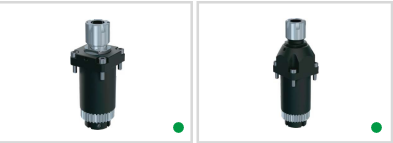
Cross drilling and milling units are essential live tooling devices used in Swiss lathes to perform machining operations perpendicular to the workpiece axis.
These units are powered by the machine’s live tool drive system, allowing tools such as drills or end mills to rotate at high speeds.
Cross drilling units typically include:
High-speed driven spindle
Precision bearings
Rigid tool clamping system
Compact design for tight tool stations
These features ensure stable cutting performance even at high spindle speeds.
Cross drilling units are commonly used for:
Radial hole drilling
Side milling
Slot machining
Cross hole production
These operations are widely used in precision manufacturing.
Examples include:
Cross holes in medical screws
Connector holes in electronics parts
Sensor housing machining
Automotive precision components
By enabling side machining directly on the Swiss lathe, cross drilling units help eliminate secondary machining operations.
Multi-spindle tooling holders are designed to significantly increase machining efficiency by allowing multiple cutting tools to operate simultaneously.
These units are especially valuable in high-volume production environments.
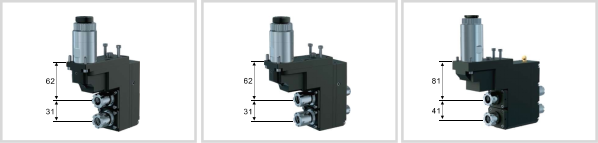
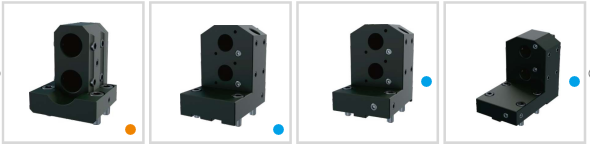
2-Spindle drilling/milling unit 2-Spindle double drilling/milling unit 2-Spindle double drilling/milling unit
The 2-spindle unit allows two tools to work at the same time.
Advantages include:
Increased productivity
Reduced machining cycle time
Balanced cutting forces
These units are widely used for machining symmetrical holes or multiple drilling operations.
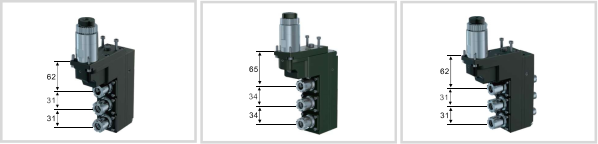
3-Spindle drilling/milling unit 3-Spindle drilling/milling unit 3-Spindle double drilling/milling unit
The 3-spindle unit allows three tools to perform machining simultaneously.
This configuration dramatically improves productivity when producing large quantities of precision parts.
Typical applications include:
Multiple hole drilling
Precision connector production
Medical component manufacturing
Small precision shafts
Multi-spindle tooling is particularly popular in industries where high production efficiency is critical.
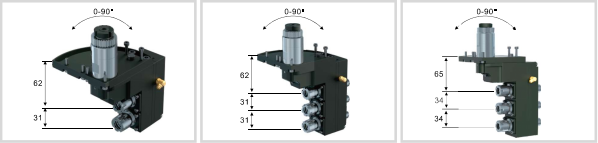
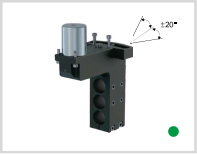
2-Spindle drilling/milling unit (Angle adjustment)

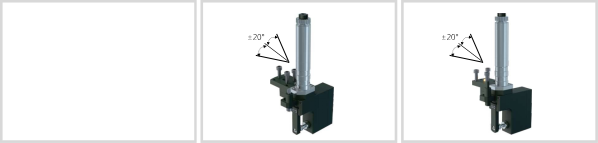
3-Spindle double drilling/milling unit(Angle adjustment)
3-Spindle double drilling/milling unit (Angle adjustment)
Angle adjustable tooling holders provide flexibility when machining parts that require holes or slots at specific angles.
These units allow the machining angle to be adjusted relative to the workpiece centerline.
Angle adjustable tooling units provide:
Flexible machining angles
Increased machining capability
Reduced machine repositioning
Improved production efficiency
These units are often used in manufacturing components with complex geometries.
Common applications include:
Angled hole drilling
Custom medical implants
Precision mechanical parts
Specialized connectors
The adjustable angle feature makes these tools extremely versatile in Swiss machining operations.
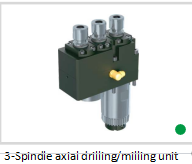
Axial drilling units are designed for machining operations performed along the axis of the workpiece.
These units are used for operations such as:
Center drilling
Deep hole drilling
Axial milling
Thread preparation
Axial drilling holders are commonly used when machining cylindrical components that require high-precision axial features.
Key benefits include:
High rigidity
Accurate axial positioning
Efficient chip evacuation
High machining precision
These features make axial drilling holders essential tools in Swiss machining operations.
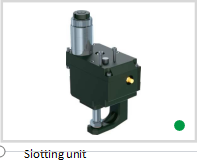
Slotting tool holders allow Swiss lathes to machine precise slots or keyways on cylindrical parts.
Unlike traditional slotting machines, Swiss lathe slotting units enable these operations to be completed during the same machining cycle.
Typical slotting applications include:
Keyway machining
Micro slot cutting
Precision grooves
Mechanical coupling features
Slotting units provide:
High precision slot geometry
Reduced machining time
Elimination of secondary operations
These units are particularly useful when machining precision mechanical components.
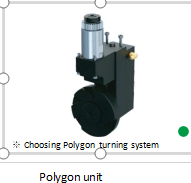
Polygon turning is an advanced machining technique used to produce non-circular shapes on cylindrical workpieces.
Typical polygon shapes include:
Hexagon profiles
Square shapes
Custom polygon geometries
Instead of using milling operations, polygon turning allows these shapes to be produced directly during turning.
Polygon turning provides several advantages:
Extremely fast machining
High precision profile generation
Excellent surface finish
Reduced machining time
Polygon turning is widely used in the production of:
Fasteners
Precision fittings
Mechanical connectors
Automotive components
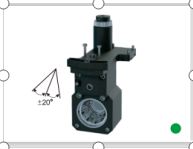
Thread Whirling unit
Thread whirling is one of the most advanced threading technologies used in CNC Swiss lathes.
This method is especially effective for producing long, precise threads on small diameter parts.
In the thread whirling process, a ring of cutting inserts rotates around the workpiece while the workpiece rotates slowly.
Multiple inserts cut the thread profile simultaneously, producing extremely precise threads.
Thread whirling offers several advantages compared with traditional threading methods.
These include:
Extremely high thread accuracy
Excellent surface finish
Reduced cutting forces
Longer tool life
High production efficiency
Thread whirling is widely used in industries requiring high-precision threaded components.
Examples include:
Manufacturing of:
Bone screws
Spinal implants
Orthopedic screws
Dental implants
Production of:
Precision threaded shafts
High-strength threaded components
Miniature aerospace fasteners
Thread whirling has become the preferred method for producing high-precision long threads in Swiss machining.
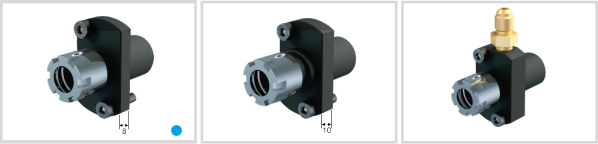
Modern CNC Swiss lathes often include a sub spindle, allowing the workpiece to be machined from both ends.
Drill holders designed for sub spindles allow secondary machining operations to be performed efficiently.
Sub spindle drill holders are used for:
Back drilling
Secondary hole machining
Precision finishing operations
Many drill holders include internal coolant supply systems that help:
Improve chip evacuation
Reduce tool wear
Maintain stable cutting performance
Sub spindle tooling greatly expands the machining capability of Swiss lathes.
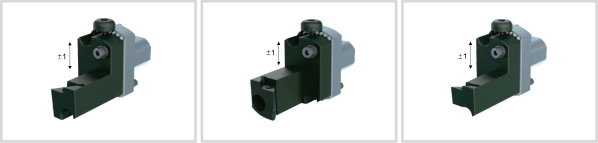
Turning holders are among the most commonly used tools in Swiss machining.
These holders support cutting inserts used for external turning operations.
Turning holders are used for:
Rough turning
Finish turning
Grooving
Cut-off operations
Many high-precision turning holders include center adjustment mechanisms.
This allows the tool height to be adjusted precisely relative to the workpiece centerline.
Benefits include:
Improved surface finish
Reduced tool wear
Higher machining accuracy
Boring bar holders are used for internal machining operations.
They support boring bars used to enlarge or finish internal diameters.
Typical applications include:
Internal bore machining
Precision hole finishing
Internal threading
High-quality boring bar holders are designed to minimize vibration and ensure stable cutting performance.
Air-driven tooling holders are designed for extremely high-speed machining operations.
These tools are commonly used in micro-machining environments.
Air tool holders provide:
Very high spindle speeds
Lightweight structure
Minimal vibration
These features make them ideal for machining extremely small precision components.
Air tool holders are commonly used in:
Electronics manufacturing
Micro drilling operations
Precision engraving
Medical component production
Gearing hobbing unit Gearing hobbing unit
Gear hobbing units allow Swiss lathes to produce small gears directly during the machining process.
This eliminates the need for separate gear cutting machines.
Gear hobbing units offer several advantages:
Reduced production steps
Improved gear accuracy
Lower manufacturing costs
These units are commonly used in industries producing miniature gears.
Examples include:
watchmaking
robotics
precision mechanical systems
Professional Swiss tooling holders are designed to be compatible with leading Swiss lathe manufacturers including:
Tsugami
Citizen Machinery
Hanwha Precision Machinery
Star
Nomura
Nakamura
JINN FA
Compatibility ensures that tooling holders can be easily installed and integrated into existing Swiss machining systems.
Modern Swiss tooling holders include several advanced features that improve machining performance.
Internal coolant delivery improves:
chip evacuation
tool life
cutting performance
Center adjustable tooling holders allow precise alignment with the workpiece centerline.
Swiss tooling holders are designed to operate at extremely high spindle speeds.
This capability is essential for micro-machining applications.
Swiss tooling systems are used across many high-precision industries.
Swiss lathes are widely used for producing medical components including:
surgical screws
dental implants
orthopedic components
Typical automotive components include:
fuel injection parts
sensor housings
precision shafts
Swiss machining is commonly used for:
connector pins
micro contacts
miniature shafts
Swiss lathes are used for manufacturing:
miniature fasteners
precision aerospace components
specialized mechanical parts
A complete CNC Swiss lathe tooling holder system is essential for achieving high precision and high productivity in modern manufacturing.
By integrating advanced tooling units such as drilling, milling, turning, slotting, thread whirling, polygon turning, and gear hobbing tools, Swiss lathes can perform multiple complex machining operations in a single setup.
This capability significantly improves manufacturing efficiency while maintaining the highest levels of machining accuracy.
For companies involved in precision manufacturing, investing in a complete Swiss tooling system is a critical step toward achieving higher productivity and better product quality.
 English
 русский
 français
 Deutsch
 Español